


Europe has always carried a reputation for being expensive. And to be fair, that reputation is not entirely unearned. A week in Paris can drain a bank account. A single night in a Swiss hotel can cost more than an entire budget vacation elsewhere. Scandinavia routinely tops the list of the priciest regions on the planet. So when someone dreams of backpacking through medieval towns, lounging on sun-soaked beaches, or hiking through dramatic mountain landscapes — all in Europe — the first thing that crosses their mind is usually: Can I actually afford this?
The answer, overwhelmingly, is yes. But only if you know where to go.
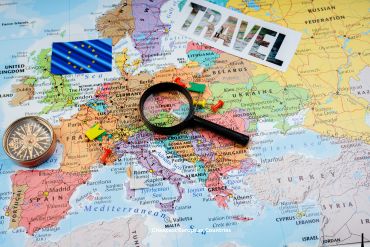
Europe is not one monolithic block of expensive cities and overpriced tourist traps. It is a patchwork of 44 countries, each with its own economy, its own cost structure, and its own version of what a travel experience should feel like. And tucked into the eastern half of the continent — stretching from the Baltic Sea down to the Adriatic and all the way east to the Caucasus Mountains — lies a collection of countries that offer everything Europe is famous for: stunning history, breathtaking landscapes, vibrant culture, and incredible food. Except here, your money goes two, three, sometimes four times further than it would in the West.
This guide identifies the cheapest European countries to visit in 2026, breaks down what you can realistically expect to spend in each one, and gives you the insider knowledge you need to travel smarter, longer, and deeper — without emptying your wallet.
Why Eastern and Southeastern Europe Is the Sweet Spot for Budget Travel
Before diving into the country-by-country breakdown, it helps to understand why certain parts of Europe are so dramatically cheaper than others. The answer is not random. It comes down to economics, history, and the pace at which tourism infrastructure has developed.
Many of Europe’s cheapest destinations are former Soviet states or countries that went through significant political upheaval in the late 20th century. Countries like Serbia, Bosnia and Herzegovina, Kosovo, and Albania experienced war, instability, or isolation well into the 1990s and early 2000s. The result? Tourism infrastructure developed slowly. Prices never inflated the way they did in Western Europe, where decades of mass tourism drove up the cost of everything from hotel rooms to restaurant meals.
This does not mean these countries lack quality or charm. Quite the opposite. Serbia has one of the most vibrant food and nightlife scenes on the continent. Romania is home to medieval towns that rival anything in Bavaria or Provence. Albania’s coastline has been called the “Maldives of Europe” — and it costs a fraction of what you would pay in Greece or Italy. These destinations simply have not yet been overwhelmed by the volume of tourists that drives prices up in more established destinations.
The further east you generally travel in Europe, the cheaper things tend to get. The least expensive countries for travel in Europe are currently Georgia, Armenia, Serbia, Poland, Bulgaria, and Bosnia and Herzegovina. Understanding this geographic gradient is one of the most useful mental frameworks for planning a budget European trip.
How Travel Costs Are Measured — and What the Numbers Actually Mean
Throughout this article, daily budget figures are broken into three tiers: budget (backpacker-style), mid-range (comfortable but not luxurious), and comfortable (a genuine step up in quality). These figures cover the four pillars of travel spending: accommodation, food, local transportation, and activities or entrance fees.
They do not include the cost of flights to and from your destination. Flight costs vary enormously based on where you are flying from, when you book, and which airlines you use. Budget airlines like Ryanair, Wizz Air, and easyJet operate extensively across Eastern Europe and frequently offer fares under $50 one way — sometimes even less during flash sales.
All prices in this article are approximate and based on current data from multiple travel cost databases and firsthand reports. Actual spending will vary based on travel style, season, and the specific cities or regions you visit within each country.
The Cheapest European Countries to Visit in 2026
1. Georgia
Average Daily Budget: $30–$45 (budget) | $60–$90 (mid-range) | $100–$150 (comfortable) Currency: Georgian Lari (GEL) Best Time to Visit: May–June and September–October
Georgia sits at the crossroads of Europe and Asia, and it is widely regarded as one of the most affordable countries on the entire continent — possibly even the world. The average traveller spends just $38 per day in Georgia, and if you are willing to spend around $80 per day, you can essentially travel in comfort and style.
What makes Georgia extraordinary is not just the price — it is the sheer density of experiences packed into a small, mountainous country. Tbilisi, the capital, is a labyrinth of cobblestone streets, colourful balconies, sulphur baths, and some of the most adventurous cuisine in the world. Outside the city, the Caucasus Mountains offer world-class hiking, ancient monasteries cling to cliffsides, and the Kakheti wine region produces wines using methods dating back thousands of years.
Hostel dorm beds in Tbilisi typically cost between $8 and $14 per night, while family-run guesthouses outside the cities often include home-cooked meals and can cost as little as $15–$30 per night for a private room Food is remarkably affordable — local meals cost between $5 and $15, and public transportation is exceptionally cheap, with metro and bus fares at just 1 GEL (roughly $0.35).
Georgia also offers a generous visa policy for many nationalities, allowing stays of up to a year without a visa — an enormous advantage for longer-term travellers.
2. Serbia
Average Daily Budget: $25–$40 (budget) | $55–$80 (mid-range) | $90–$130 (comfortable) Currency: Serbian Dinar (RSD) Best Time to Visit: April–June and September–November
Serbia — and Belgrade in particular — is one of the most underrated cities in Europe. Belgrade’s vibrant nightlife and culture at prices this low seem almost too good to be true. The Serbian capital combines Ottoman, Austro-Hungarian, and modern influences, creating a unique urban experience with excellent food and friendly locals.
Serbia ranks among the least expensive countries for travel in Europe, with an average daily cost of approximately €42. Belgrade punches well above its weight in terms of what you get for your money. The city has a thriving café culture, a legendary nightlife scene (Belgrade’s clubs have been called some of the best in Europe), and a food scene that draws on both Balkan and Hungarian traditions. Ćevapi, pljeskavica, and ćorba are dishes that taste extraordinary and cost next to nothing.
Beyond Belgrade, the Zlatibor and Fruška Gora regions offer stunning rural landscapes, vineyards, and villages that see almost no tourists at all. Serbia is also remarkably easy to travel through — trains and buses connect the country well, and prices remain low no matter where you go.
3. Bulgaria
Average Daily Budget: $30–$45 (budget) | $60–$85 (mid-range) | $95–$140 (comfortable) Currency: Bulgarian Lev (BGN) — Bulgaria adopted the euro in 2025. Best Time to Visit: May–June and September–October
Bulgaria is potentially the cheapest country in the EU, and it deserves serious attention from budget travellers. Its big cities are full of cultural treasures — Plovdiv was the European cultural capital in 2019 — and its small towns with their imposing mountain backdrops will charm even the most seasoned traveller.
Bulgaria also made headlines recently for a practical reason: the country adopted the euro as its currency and launched a new digital nomad visa in December 2025, making it an especially attractive destination for remote workers and longer-term visitors in 2026.
The country offers a remarkable diversity of landscapes. The Black Sea coast, particularly around Sozopol and the less touristy villages south of Burgas, offers stunning beaches at a fraction of the price of Greece or Croatia. Inland, the Rila and Pirin mountain ranges are a paradise for hikers, and the Rila Monastery — one of the most important religious sites in Eastern Europe — is a short trip from Sofia.
Food in Bulgaria is extraordinarily cheap. A full meal with a drink at a local restaurant frequently costs under $6. Accommodation at budget hotels and guesthouses starts at around $12–$15 per night outside of peak tourist season.
4. Bosnia and Herzegovina
Average Daily Budget: $20–$35 (budget) | $45–$70 (mid-range) | $80–$120 (comfortable) Currency: Bosnia and Herzegovina Convertible Mark (BAM) Best Time to Visit: May–September
Bosnia and Herzegovina is arguably the single cheapest country in Europe to visit, and it remains one of the most underexplored. The Medieval town of Mostar, once a key stop on the Silk Road trading routes between Venice and Istanbul, is one highlight. Another surprising highlight is the capital, Sarajevo, which is considered one of Europe’s most underrated capitals, with a fascinating blend of Austro-Hungarian and Ottoman influences and a warmth and atmosphere you may not expect.
Prices are very reasonable, with budget rooms not costing much more than $21 per night and meals regularly in the $5–$8 range. Bosnia’s proximity to Croatia also makes it an ideal addition to a trip that includes the more expensive Dalmatian coast — you can experience stunning natural beauty and rich history without the Croatian price tag.
The country is still rebuilding parts of its tourism infrastructure after the conflict of the 1990s, which means it sees far fewer visitors than its neighbours. For travellers who want an authentic, uncrowded European experience, Bosnia delivers in a way that few other countries can.
5. Romania
Average Daily Budget: $30–$50 (budget) | $65–$95 (mid-range) | $100–$150 (comfortable) Currency: Romanian Leu (RON) Best Time to Visit: May–September for general travel; October–November for fewer crowds
Romania is Europe’s hidden masterpiece. Home to many castles, colourful old towns, and gorgeous landscapes with primal forests, Romania is bound to surprise you. The Transylvania region is dotted with lovely Medieval towns and unique fortified churches. The nature in the heart of Romania is truly wild, offering spectacular hiking trails and remote lodges where you can observe brown bears.
Accommodation and dining are cheap. Many restaurants have set lunch menus for around $4. Count on paying around $10 a night for hostels, while charming Airbnbs and budget hotels can be found for around $25–$30 a night.
Romania’s appeal goes far beyond Bran Castle and the Dracula association (which, while worth a visit, is only a small slice of what the country offers). The painted monasteries of Bucovina are genuinely awe-inspiring. The medieval town of Sighișoara is one of the most beautifully preserved old towns in all of Europe. And the Carpathian Mountains offer hiking and skiing that rivals anything in the Alps — at a tiny fraction of the cost.
6. Albania
Average Daily Budget: $35–$55 (budget) | $70–$100 (mid-range) | $100–$150 (comfortable) Currency: Albanian Lek (ALL) Best Time to Visit: June–September for beaches; May and October for hiking
Albania has undergone a dramatic transformation in recent years, evolving from one of Europe’s most isolated nations into one of its most exciting budget destinations. Albania is gaining traction as a new hotspot on the Mediterranean, and the country is still a steal — often considered one of the most affordable beach getaways on the continent.
Albania has heavily invested in upgrading its infrastructure, increasing the number of low-cost flight options, and ramping up its marketing efforts to position itself as an affordable yet enriching vacation spot. The Albanian Riviera — a stretch of coastline that includes the towns of Sarandë, Ksamil, and Dhërmi — offers crystal-clear water and white sand beaches. The Albanian Alps in the north rival any mountain landscape in Europe.
The capital, Tirana, has reinvented itself as a colourful, vibrant city full of street art, creative restaurants, and a nightlife scene that is growing rapidly. Tirana is steeped in Communist-era history, with Bunk’art 1, a Cold War bunker turned museum, costing just a few pounds to enter, and brilliant restaurants and bars offering great dishes and cocktails at reasonable prices.
7. Poland
Average Daily Budget: $30–$50 (budget) | $70–$100 (mid-range) | $120–$180 (comfortable) Currency: Polish Złoty (PLN) Best Time to Visit: May–June and September–October
Poland is one of the most consistently underestimated destinations in Europe, and it deserves far more attention than it currently gets. In Poland, budget travellers spend $31 per person per day on average, mid-range travellers spend $80 per day, and luxury travellers spend around $208 per day.
The country’s cities are where the real magic lives. Kraków’s Old Town is a UNESCO World Heritage Site of extraordinary beauty — and unlike Prague or Vienna, it has not yet been completely overrun by tourists. Warsaw’s reconstruction after World War II is a story of remarkable resilience, and the city’s museums — particularly the Warsaw Uprising Museum — are among the most powerful in Europe.
Dining at traditional milk bars, known locally as bary mleczne, is the most affordable way to experience authentic cuisine in Poland. A complete, hearty meal typically costs approximately $7.50. These government-subsidised cafeterias keep food expenses very low. Poland also has an extensive and affordable public transport network — public buses and trams cost around 3–5 PLN for a one-way ride, and free walking tours operate daily in major tourist hubs like Warsaw, Kraków, Gdańsk, and Wrocław.
8. Hungary
Average Daily Budget: $35–$55 (budget) | $70–$110 (mid-range) | $120–$180 (comfortable) Currency: Hungarian Forint (HUF) Best Time to Visit: April–June and September–November
Budapest is one of Europe’s great capitals, and it delivers the experience of a major European city at prices that are a fraction of what you would pay in Vienna, Paris, or Berlin. Budapest feels like a major European capital — because it is one — but you are spending 40–50% less than you would in Vienna or Munich.
The thermal baths alone are worth the trip. Budapest’s thermal bath culture stretches back centuries, and soaking in mineral-rich waters while gazing at ornate, historic architecture is an experience that costs almost nothing. A decent mid-range hotel in Budapest runs €40–60 per night, and you will get actual European elegance. The food scene is incredible — you can get proper Hungarian goulash for €5–7 at local spots, and the portions are honestly enormous.
Beyond Budapest, Hungary’s countryside — including the wine region of Tokaj and the shores of Lake Balaton — offers a quieter, even more affordable experience that most visitors never see.
9. The Czech Republic
Average Daily Budget: $40–$60 (budget) | $80–$120 (mid-range) | $140–$200 (comfortable) Currency: Czech Koruna (CZK) Best Time to Visit: April–June and September–November
Prague is one of the most photographed cities in Europe, and for good reason — its medieval architecture is genuinely stunning. You can explore the city’s historical heart at no charge, including Old Town Square, the Charles Bridge, and Petřín Hill, on a complimentary walking tour. The city is also known as one of the cheapest places in Europe to enjoy a drink, with wine and beer averaging a couple of dollars per beverage at many bars.
The Czech Republic’s real budget magic, however, often lies outside Prague. Český Krumlov is probably one of the most photogenic towns in Europe — the castle tour costs about €15, and it is totally worth it. Train travel in the Czech Republic is reliable and cheap — you can get from Prague to Brno for under €20.
Prague itself has become pricier than it once was, particularly in the tourist centre. The trick, as locals will tell you, is to step even a block or two outside the main tourist zones — and suddenly, restaurant prices drop significantly, the crowds thin out, and you start to experience the city the way residents actually live in it.
10. North Macedonia
Average Daily Budget: $25–$40 (budget) | $50–$75 (mid-range) | $80–$120 (comfortable) Currency: Macedonian Denar (MKD) Best Time to Visit: May–September
North Macedonia is one of the least-visited countries in Europe, and that is precisely what makes it so appealing for budget travellers. The jewel of the country is Lake Ohrid — a stunning body of water surrounded by mountains, ancient monasteries, and villages that have barely changed in centuries. In Ohrid, the price for rooms and apartments ranges from $15–$30 a night.
The food here is deeply Balkan and deeply satisfying — think cabbage rolls, bean dishes, and fried dough pies, all served at prices that would be considered extraordinary value anywhere else in Europe. North Macedonia’s small size makes it easy to explore thoroughly in a single week, and the combination of natural beauty, archaeological heritage, and near-total absence of tourist crowds makes it one of the continent’s great undiscovered destinations.
11. Kosovo
Average Daily Budget: $20–$35 (budget) | $45–$65 (mid-range) | $75–$110 (comfortable) Currency: Euro (EUR) Best Time to Visit: May–September
Kosovo frequently tops the list of the absolute cheapest countries in Europe to visit. A typical hostel bed costs about $10, and a meal at a restaurant is about $5. The country uses the euro, which simplifies things for travellers coming from eurozone countries, and it has invested significantly in its tourism infrastructure in recent years.
Pristina, the capital, is small but lively, with a growing food scene and a younger population eager to welcome visitors. The countryside, particularly the Rugova Valley and the mountains surrounding it, offers hiking and outdoor adventure at prices that are almost unbelievably low. Kosovo is still relatively unknown on the tourist circuit, which means you will rarely encounter crowds — a genuine luxury in itself.
12. Lithuania
Average Daily Budget: $30–$45 (budget) | $60–$90 (mid-range) | $100–$140 (comfortable) Currency: Euro (EUR) Best Time to Visit: May–September
Lithuania is criminally underrated among European budget destinations. It is easily one of the most scenic countries to visit on the continent, with a rich and immersive history dating back hundreds of years. Not only is it cheap, but it has a little bit of everything — ranging from pristine beaches to bustling cities — so there is something for everyone.
Vilnius, the capital, is a UNESCO World Heritage Site with a remarkably well-preserved Old Town. For fun activities without a price tag, you can meander through Vilnius’ Old Town or admire the many murals in Užupis, the city’s funky arts district. The country’s second city, Kaunas, is increasingly recognised as one of Europe’s coolest smaller cities — it is criminally underrated, highly walkable, and stuffed full of more culture than you can imagine, with beautiful old neighbourhoods, interwar modernist architecture, and a thriving craft beer and natural wine scene.
Lithuania also serves as an excellent entry point for exploring the Baltic states more broadly — Estonia and Latvia are both reachable by affordable bus or train connections.
A Country-by-Country Cost Comparison Table
| Country | Budget (per day) | Mid-Range (per day) | Hostel/Night | Meal (local) | Currency |
| Georgia | $30–$45 | $60–$90 | $8–$14 | $3–$8 | GEL |
| Serbia | $25–$40 | $55–$80 | $8–$12 | $3–$7 | RSD |
| Bulgaria | $30–$45 | $60–$85 | $10–$15 | $3–$6 | EUR |
| Bosnia & Herzegovina | $20–$35 | $45–$70 | $8–$21 | $5–$8 | BAM |
| Romania | $30–$50 | $65–$95 | $10–$15 | $4–$8 | RON |
| Albania | $35–$55 | $70–$100 | $11–$14 | $5–$10 | ALL |
| Poland | $30–$50 | $70–$100 | $10–$18 | $5–$8 | PLN |
| Hungary | $35–$55 | $70–$110 | $12–$20 | $5–$7 | HUF |
| Czech Republic | $40–$60 | $80–$120 | $14–$22 | $5–$9 | CZK |
| North Macedonia | $25–$40 | $50–$75 | $10–$18 | $3–$7 | MKD |
| Kosovo | $20–$35 | $45–$65 | $10–$15 | $4–$5 | EUR |
| Lithuania | $30–$45 | $60–$90 | $10–$16 | $4–$7 | EUR |
The Best Times of Year to Visit — and Why It Matters for Your Budget
Timing your trip is one of the single most impactful decisions you can make for a budget European vacation. The difference in price between peak season and shoulder season can be dramatic — and in many of these countries, the shoulder seasons are actually more pleasant to visit.
Visiting during shoulder seasons (April–May and September–October) is one of the best ways to cut costs by 30–50%. Many of these budget-friendly countries are actually more enjoyable during off-peak times, with comfortable temperatures and fewer crowds at major attractions.
Summer — particularly July and August — is peak season across almost all of Eastern Europe. Hotels fill up, prices jump, and popular sites become crowded. If your schedule allows even a few weeks of flexibility, aiming for late May, early June, September, or October will save you a meaningful amount of money while delivering weather that is often more comfortable for sightseeing than the sweltering heat of mid-summer.
Winter travel is another option worth considering, particularly for countries like Bulgaria and Romania that have legitimate ski resorts. Prices outside of the Christmas market period drop sharply, and while daylight hours are short, the atmospheric charm of Eastern European cities in winter is hard to overstate.
How to Travel Europe on a Budget: Practical Tips That Actually Work
Knowing which countries are cheap is only half the equation. How you travel within those countries matters just as much. Here are the strategies that consistently save the most money.
Eat where locals eat. Tourist-facing restaurants in every country on this list charge two to three times more than the places where actual residents get their meals. In Poland, seek out milk bars (bary mleczne). In Georgia, eat khinkali at a neighbourhood spot rather than a restaurant with English menus. In Serbia, stand at a ćevapi counter rather than sitting down at a sit-down restaurant. The food is often better, and the price difference is stark.
Use public transport religiously. Most Eastern European countries have excellent and affordable public transport systems. A monthly public transport pass in cities like Belgrade or Sofia costs less than $20, while intercity buses and trains offer comfortable travel for a fraction of Western European prices. Taxis and rideshare apps are cheap in these countries too, but public transport is even cheaper — and it gives you a more authentic experience of how the city actually works.
Book accommodation outside the centre — but not too far. Staying a ten-minute tram ride from the old town rather than right in the middle of it can cut your accommodation costs by 30–50%, and the commute adds almost no real inconvenience. Many of these cities have excellent public transport networks that make this trade-off seamless.
Take advantage of free attractions. Every country on this list has a wealth of things to see and do that cost nothing at all. Old towns, parks, rivers, viewpoints, churches, and historical monuments are often completely free to explore. Prioritise these, and save your paid-activity budget for the handful of experiences — a museum, a guided tour, a thermal bath — that are genuinely worth the entrance fee.
Cook some of your own meals. If you are staying in an apartment or a hostel with a kitchen, buying groceries from a local supermarket and preparing your own breakfast and lunch can cut your daily food budget dramatically. Save eating out for dinner, when the experience and the atmosphere are most enjoyable.
Getting Between Countries Cheaply
One of the great advantages of travelling in Eastern Europe is how easy and inexpensive it is to move between countries. The region is well-connected by bus, train, and budget airlines, and the fares are a fraction of what you would pay for equivalent journeys in Western Europe.
Budget bus companies like FlixBus and the regional operators in each country offer intercity and cross-border routes at prices that can be shockingly low. A bus from Belgrade to Sarajevo, for example, costs around $15–$20. Warsaw to Prague can be booked for under $30. These routes are comfortable, reliable, and often faster than trains.
Trains are another excellent option, particularly for scenic journeys. The extensive European railway system makes travel between countries convenient and often an enjoyable aspect of a vacation. Thanks to budget airlines, you can now easily fly from one country to another, but most of the time, travelling around Europe by train is even cheaper and enables you to discover the countryside.
For longer hops — say, flying into Tbilisi from London, or getting from Budapest to Tirana — budget airlines like Wizz Air and Ryanair frequently operate routes with fares under $60 one way. Setting up fare alerts on Google Flights or apps like Skyscanner can help you catch deals well in advance.
A popular strategy among backpackers is to plan a loop — flying into one country, travelling overland through three or four others, and flying out from a different one. This “open jaw” approach often works out cheaper than flying round-trip to a single destination, and it lets you sample multiple countries in a single trip.
Frequently Asked Questions
What is the absolutely cheapest country in Europe to visit? Based on current travel cost data, Bosnia and Herzegovina and Kosovo consistently rank as the cheapest options. In both countries, you can survive comfortably on $20–$35 per day as a budget traveller. Georgia also comes remarkably close, with average daily costs in the low $30s.
Is it safe to travel in Eastern Europe? Safety varies by country and by area within each country, but the destinations covered in this guide are generally considered safe for tourists. Serbia, Poland, Hungary, the Czech Republic, Bulgaria, Romania, and the Baltic states all have low crime rates and well-established tourist infrastructure. Bosnia and Herzegovina, Albania, Kosovo, and North Macedonia are also safe for tourists in the areas most people visit, though it is always wise to do your own research before travelling and to register with your country’s foreign affairs department.
Do I need a visa to visit these countries? This depends entirely on your passport. EU and Schengen Area passport holders can travel freely within the EU and Schengen Zone without a visa. For non-EU passport holders (including Americans), most of these countries offer visa-free entry for stays of 30 to 90 days. Georgia is particularly generous, offering visa-free stays of up to one year for citizens of many countries. Always check the specific visa requirements for your nationality before travelling.
Which of these countries is best for beach holidays? Albania, Bulgaria, Croatia (which borders Bosnia and Herzegovina), and Montenegro (which neighbours Albania) all have stunning coastlines. Albania’s Riviera and Bulgaria’s Black Sea coast offer the best combination of beautiful beaches and genuinely low prices.
Which countries are best for hiking and outdoor adventures? Georgia (Caucasus Mountains), Romania (Carpathians), Albania (Albanian Alps), Bulgaria (Rila and Pirin Mountains), and North Macedonia (mountains surrounding Lake Ohrid) are all exceptional for hiking. Kosovo’s Rugova Valley is another outstanding option that sees very few tourists.
Can I travel through multiple countries on a single trip without it getting too expensive? Absolutely. The countries on this list are geographically clustered, and travel between them is cheap and well-connected. A popular route might combine Serbia, Bosnia, Albania, and North Macedonia — or Poland, Hungary, the Czech Republic, and Slovakia. Planning a multi-country loop is one of the best ways to stretch your budget while experiencing a wide range of cultures and landscapes.
Final Thoughts
Europe does not have to be expensive. The countries covered in this guide — stretching from the Baltic coast of Lithuania down through Poland and Hungary, across the Balkans to Albania and Kosovo, and east to the ancient vineyards of Georgia — collectively represent some of the richest, most diverse, and most genuinely memorable travel experiences on the continent. And they cost a fraction of what you would spend in France, Italy, or the United Kingdom.
The key to unlocking affordable European travel is not about deprivation or discomfort. It is about choosing the right destinations — places where the cost of living is low, where tourism has not yet driven prices through the roof, and where the experience of travelling feels more authentic precisely because fewer people have been there before you. A week in Bosnia and Herzegovina can cost the same as two nights in a Parisian hotel. A month in Georgia can cost less than a week in Greece. A loop through Serbia, Romania, and Bulgaria can deliver an entire summer’s worth of memories for what a single weekend in London would cost.
The cheapest European countries are not a compromise. They are, for many travellers, the best version of a European trip. Go there in 2026, before the rest of the world catches on completely — and before the prices inevitably start to rise.
In another related article, Beach Holidays: Where is the cheapest place for a beach holiday?