


Introduction: The Sky Calls — and So Does the Fear
There are few experiences in modern life as emotionally layered as boarding an airplane for the very first time. It is a moment that sits at the intersection of human vulnerability and extraordinary wonder — a moment when the rational mind and the emotional heart pull sharply in opposite directions.
On one side stands excitement: the promise of a new destination, the thrill of something entirely unfamiliar, the pride of crossing a threshold that billions of people have crossed but that, for this particular person on this particular day, feels monumentally personal. On the other side stands something closer to dread — a cocktail of anxiety, self-consciousness, confusion, and a primal unease about trusting one’s body, one’s safety, and one’s dignity to a metal tube hurtling through the stratosphere at 900 kilometers per hour.
For the estimated hundreds of millions of people who take their first flight each year — many of them from emerging aviation markets across Africa, South Asia, and Latin America — this emotional journey is one of the most defining travel experiences of their lives. Unlike seasoned travelers who have reduced flying to a habit and routine, first-time flyers experience every step of the process with fresh, heightened senses.
This article traces the complete emotional arc of the first-time flying experience — from the moment a ticket is booked to the minute the wheels touch the runway at the destination — examining the psychological underpinnings of each stage, the coping strategies that work, and what airlines and airports can do to make this journey more humane.
Stage 1: The Decision — Excitement Collides With Dread
The emotional journey begins not at the airport, but at the moment the decision to fly is made. For many first-time flyers, this decision carries a weight that frequent travelers can barely remember.
The Initial Thrill
When a first-time flyer first commits to taking a flight — whether for a holiday, a job opportunity, a family reunion, or an adventure — there is often a powerful rush of excitement. Flying represents aspiration. It is associated with freedom, success, modernity, and possibility. The mere act of booking a flight ticket can feel like a statement: I am someone who goes places.
Social media reinforces this association constantly. Travel influencers post golden-hour shots from aircraft windows, aerial views of cities at night, and departure lounge selfies that turn air travel into a glamorous pursuit. For someone about to fly for the first time, the booking moment is infused with all of this cultural imagery.
The Anxiety That Follows
Then comes the second wave — a quieter, more unsettling feeling that often arrives in the hours or days after the initial excitement. This is anxiety, and for many first-time flyers, it grows steadily from the moment of booking to the moment of boarding.
Research in aviation psychology consistently shows that anticipatory anxiety — the fear experienced before an event — is often more intense than the anxiety felt during the event itself. First-time flyers spend days, sometimes weeks, imagining scenarios: What if the plane crashes? What if I panic on board? What if I do something embarrassing? What if there is turbulence? What if I cannot handle it?
These fears are almost universally normal. The fear of flying, or aviophobia in its clinical form, affects an estimated 25% of the population to some degree. For first-time flyers, the absence of a personal reference point — they have never flown before, so they have no experience to draw on — makes the imagination especially fertile ground for worst-case scenarios.
Managing Pre-Flight Anxiety: What Helps
For first-time flyers, the pre-flight period is critical. Strategies that genuinely help include:
Education over ignorance. Understanding the basic mechanics of how a plane stays in the air — Bernoulli’s principle, the physics of lift, the statistical safety of commercial aviation — significantly reduces fear for many people. Turbulence, for example, is the number one fear trigger for nervous flyers. Learning that turbulence is essentially a bump in the road for the aircraft and has never caused a modern commercial plane to crash dramatically reduces its threat level.
Talking to experienced flyers. Hearing calm, matter-of-fact accounts of what flying actually feels like from friends, family, or online communities demystifies the experience. The most effective reassurance is usually the mundane kind: “It is mostly just sitting and waiting.”
Preparation over avoidance. Anxious individuals are often tempted to avoid thinking about the upcoming flight. Research shows the opposite approach — learning what to expect, packing thoughtfully, and arriving early — produces better emotional outcomes on the day.
Stage 2: The Night Before — Insomnia, Excitement, and the Packing Ritual
Ask almost any first-time flyer about the night before their first flight, and you will hear a remarkably consistent story: they barely slept.
The Emotional Weight of Preparation
Packing for a first flight carries a peculiar emotional energy. There is the practical anxiety of not knowing what is allowed in carry-on luggage, what liquids must be declared, whether a laptop must be removed at security, and how long it takes to get through the terminal. Airlines and airports have made enormous strides in communicating these procedures online, but for someone who has never experienced them, the information can feel overwhelming.
There is also, paradoxically, a sense of ritual and excitement in preparing. For many first-time flyers — particularly younger travelers — laying out their travel documents, downloading their boarding pass, choosing their in-flight outfit, and packing a carry-on are acts charged with emotional significance. This is especially true for first-generation travelers in families where flying was previously out of reach financially or culturally.
The Sleepless Hours
By midnight before departure day, many first-time flyers are running mental checklists instead of sleeping. Did I pack my passport? Is my phone charged? What if I miss the flight? What if the taxi is late? This is the anxiety of transition — the emotional discomfort of crossing into unfamiliar territory — and it is a deeply human response.
For some, this sleeplessness is punctuated by moments of genuine excitement. The romantic imagination kicks in: What will the city look like from the air? What will it feel like when the wheels leave the ground? These flashes of anticipation are important emotional anchors that can be actively cultivated.
Stage 3: The Airport — Sensory Overload and the First Wave of Awe
Arriving at the airport for the first time is, for many first-time flyers, a shock to the system in the best possible sense.
The Scale of It All
Major international airports are among the most complex human environments on earth. The sheer scale of a terminal building — the soaring ceilings, the crowds moving in purposeful streams, the screens cycling through hundreds of flights to dozens of countries — is overwhelming for someone experiencing it for the first time. It can feel disorienting, even intimidating.
And yet there is also something deeply thrilling about it. An airport is a place of pure departure — every person present is going somewhere. The energy is kinetic, purposeful, and surprisingly emotional. First-time flyers often describe feeling a sudden, unexpected surge of excitement upon entering the terminal — something about the environment makes the journey feel real in a way it did not before.
Check-In: The First Formal Threshold
For many first-time flyers, the check-in counter or kiosk is the first formal interaction with the airline system, and it carries significant anxiety. Questions multiply rapidly: Am I in the right queue? Is my bag too heavy? Did I print the right document? Is my passport valid for this destination?
Airline staff who work check-in desks often become the first emotional regulators of the first-time flyer’s journey. A warm, patient check-in agent who takes a moment to explain the process, reassure the passenger, and genuinely welcome them can transform the emotional trajectory of the entire trip. Conversely, a rushed or indifferent interaction at this stage can deepen anxiety considerably.
Security: The Stress Peak
Airport security is, for most first-time flyers, the most emotionally stressful part of the airport experience. The unfamiliar procedures — removing shoes, unpacking electronics, walking through a scanner, having bags X-rayed — combined with the pressure of a queue moving behind you and the fear of doing something wrong, create a uniquely high-anxiety moment.
The emotional experience of security is also often tinged with vulnerability. Being asked to remove personal items, walk through a body scanner, and potentially be patted down by a stranger is an exposure that many people find uncomfortable. First-time flyers frequently report feeling self-conscious and uncertain at this stage.
Once through, however, there is typically a palpable emotional release. The worst-imagined hurdle has been cleared, and the airside experience — the departure lounges, the shops, the restaurants, and the gates — opens up like a reward.
The Departure Gate: Waiting and Watching
The gate area is where first-time flyers often have their first sustained encounter with aircraft up close. Seeing the plane through the terminal window — enormous, mechanical, somehow both imposing and sleek — is a genuinely emotional moment for many. This is when the reality of what is about to happen fully lands.
Emotions at the gate tend to oscillate rapidly. A moment of calm is followed by a flash of anxiety, followed by curiosity as the boarding process begins, followed by a sudden surge of nervous energy as the gate agent announces the first boarding group.
Stage 4: Boarding — Crossing the Threshold
Boarding the aircraft for the first time is one of the most emotionally significant moments in the entire journey. It is the threshold between the familiar world and the airborne one.
The Jetbridge Experience
Walking down the jetbridge — that telescoping corridor connecting the terminal to the aircraft door — is an experience many first-time flyers remember vividly. It is narrow, slightly inclined, and often makes mechanical noises. The air smells different. The ambient sound changes. And at the end of it is a door into the aircraft.
The moment of stepping through the aircraft door and being greeted by the cabin crew is rich with psychological significance. The cabin crew’s greeting — whether warm and welcoming or perfunctory — sets the emotional tone for everything that follows.
Finding the Seat
Navigating the aircraft cabin for the first time can feel surprisingly stressful. The overhead bins may seem confusing. Fitting a carry-on bag into the overhead compartment, managing fellow passengers filing past, locating the seat, and figuring out the buckle are all new tasks being performed under social pressure.
Once seated and settled, many first-time flyers report a complex emotional state — a mixture of nervousness and something approaching peace. They are here. They made it this far. The seat is smaller than expected. The window is surprisingly close. Everything is very real.
Window Seat vs. Aisle: An Emotional Choice
The seat selection of a first-time flyer is often deeply revealing. Those motivated primarily by curiosity and wonder tend to choose the window seat — they want to see everything. Those motivated primarily by anxiety tend to choose the aisle — they want the option to move freely, to not feel trapped. The middle seat, universally unpopular, is usually the result of a late booking rather than an emotional preference.
Stage 5: Takeoff — The Most Unforgettable Moment
There are very few moments in adult life that deliver genuine, unfiltered awe. Takeoff is one of them. Nearly every first-time flyer remembers it for the rest of their life.
The Taxiing Phase: Building Anticipation
As the aircraft moves away from the gate and begins taxiing toward the runway, the emotional intensity climbs. The engines change pitch. The aircraft sways slightly on the taxiway. Other planes are visible through the window, lined up or landing. This slow, deliberate build creates a powerful sense of anticipation.
Many first-time flyers hold their breath as the aircraft lines up on the runway. Some hold the armrest. Some close their eyes. Some cannot stop staring out of the window.
The Runway Roll and Liftoff
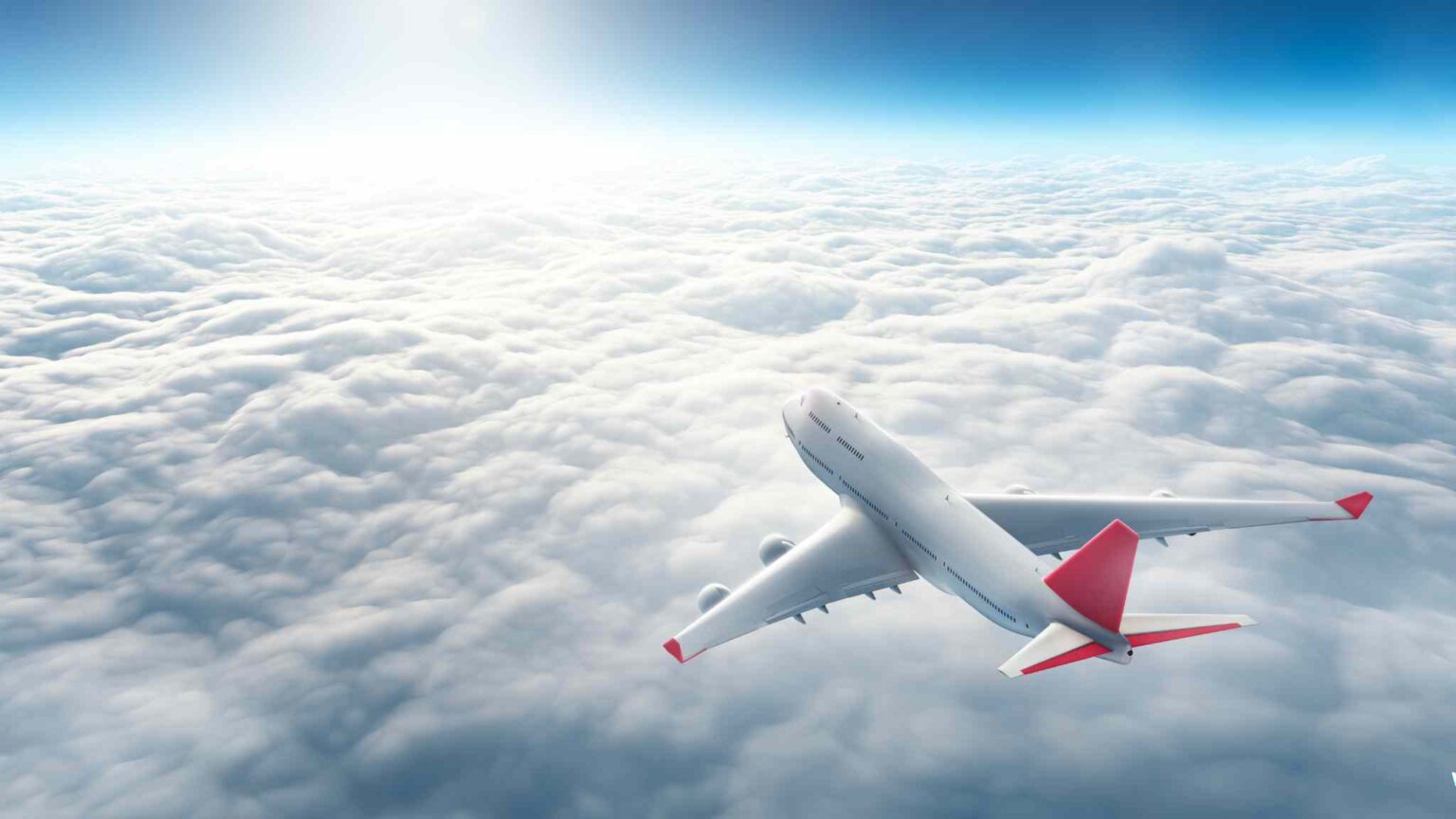
When the engines spool up to full power and the aircraft begins its takeoff roll, the experience is visceral and total. The acceleration pushes passengers back into their seats with gentle but unmistakable force. The cabin vibrates. The noise builds. And then — with a smoothness that almost always surprises first-time flyers — the nose lifts, the vibration stops, and the aircraft is airborne.
The emotional response to this moment is frequently described in terms that go beyond ordinary excitement. Many first-time flyers laugh involuntarily, grip their companion’s hand, or feel their eyes fill unexpectedly with tears. The feeling has been described variously as exhilarating, terrifying, beautiful, unreal, and profound.
What is happening psychologically is significant: the human body and mind are experiencing something for which evolution did not prepare them. We are mammals, designed by millions of years of adaptation to remain on the ground. The experience of leaving it — willingly, enclosed in a machine, traveling at extraordinary speed — activates a complex cascade of emotional responses that no amount of intellectual preparation fully anticipates.
The View From the Window
As the aircraft climbs through the lower atmosphere, first-time flyers who have chosen the window seat often experience a second wave of awe as their city, their neighborhood — perhaps even their home — becomes visible from above and then recedes into the patchwork of the earth below.
This bird’s-eye perspective has a well-documented psychological effect. Researchers who study the “overview effect” — a cognitive shift reported by astronauts viewing Earth from space — have found that aerial views of the Earth produce measurable increases in feelings of perspective, calm, and connectedness. For a first-time flyer seeing their world from above for the first time, this effect, while smaller in scale, is very real.
Stage 6: The Cruise — Settling In and Finding Equilibrium
Once the aircraft reaches cruising altitude and the seatbelt sign switches off, most first-time flyers enter a phase of emotional calibration — figuring out what they feel now that the most anticipated moment has passed.
The Unexpected Calm
Many first-time flyers are surprised to discover that a cruising flight is profoundly unremarkable. The hum of the engines becomes background noise. The aircraft barely seems to move. The world outside the window is a canvas of clouds or darkness or the geometric patterns of fields and cities far below.
This ordinariness is itself emotionally significant. The thing that was feared so intensely is, it turns out, largely just sitting in a chair. The relief this produces is substantial and often manifests as drowsiness — many first-time flyers fall asleep on their first flight, partly out of exhaustion and partly because the tension has finally released.
Turbulence: The Emotional Disruption
If there is one in-flight experience that can shatter a first-time flyer’s hard-won calm, it is turbulence. Even mild turbulence — the kind that experienced travelers barely register — can spike a first-time flyer’s anxiety dramatically.
The physical sensation of the aircraft dropping, shaking, or rolling unexpectedly activates a primitive alarm response in the brain. The amygdala — the brain’s threat-detection center — interprets the sensation as danger, flooding the body with stress hormones and producing the classic symptoms of anxiety: racing heart, sweating, shallow breathing, and the overwhelming urge to escape.
What helps enormously in this moment is context. A calm announcement from the flight crew, a reassuring word from a neighbor, or even simply seeing that the cabin crew are continuing to go about their work undisturbed can regulate the emotional response effectively. The body’s alarm system is responsive to social cues — if the people around you are calm, your nervous system takes note.
In-Flight Emotions: Reflection and Wonder
The extended time of a flight — whether two hours or twelve — also creates space for a kind of emotional reflection that is unusual in ordinary life. Suspended between two places, temporarily removed from daily responsibilities and digital distractions, many first-time flyers find themselves thinking more deeply than usual. About the journey they are on. About the places they are leaving behind. About what they are moving toward.
Long-haul first-time flyers in particular often describe the flight as a liminal space — a transitional zone between who they were before and who they might become on the other side. This quality of in-between-ness is part of what makes first flights emotionally memorable in ways that go beyond the physical experience.
Stage 7: Landing — Anticipation Returns
As the aircraft begins its descent, the emotional intensity that characterized takeoff begins to return — though with a different quality.
The Descent and Approach
The descent into a new destination is charged with anticipation for first-time flyers. As the aircraft drops through the clouds and the destination city or landscape becomes visible through the window, there is often a surge of mixed emotions — excitement about arrival, slight anxiety about the landing itself, and a growing awareness that the extraordinary experience is almost over.
The approach to landing — with its reduced engine noise, extended flaps, and the visual drama of the runway rising to meet the aircraft — is another emotionally intense experience. Some first-time flyers find it more nerve-wracking than takeoff because the ground is visible and the speed seems more apparent.
The Touchdown
The moment of touchdown — wheels contacting the runway, reverse thrust roaring, brakes engaging — is almost always a relief for first-time flyers, regardless of how smooth or bumpy the landing is. When the aircraft decelerates and turns off the runway, many people exhale deeply, laugh, or exchange glances with their seatmates in a moment of shared, wordless relief and accomplishment.
The pride felt at this moment is genuine and significant. The first-time flyer has done something they feared, survived it, and emerged on the other side. This is a psychological victory with implications that extend well beyond aviation.
Stage 8: After Landing — The Emotional Afterglow
The post-flight emotional experience is something that first-time flyers rarely anticipate but almost universally report.
The Pride of Arrival
Walking through an arrival terminal after a first flight, first-time flyers often describe feeling taller. There is a quiet confidence that comes from having done something unfamiliar and emerged intact. The experience of managing airport processes, boarding an aircraft, handling turbulence, and landing safely in a new place builds a sense of competence and self-efficacy that is both real and lasting.
The Story Worth Telling
First flights become stories. Almost without exception, first-time flyers return home eager to describe the experience in detail to anyone who will listen. The sensation of takeoff. The view from the window. The turbulence over the mountains. The kindness of the flight attendant. These stories are not just social currency — they are the mechanism by which a novel experience becomes integrated into personal identity.
The Appetite for More
Perhaps the most striking emotional outcome of a first flight is that it almost always produces a desire for another one. The fear that dominated the pre-flight period is rarely as prominent in memory as the wonder. The brain, which so eagerly imagined disaster beforehand, tends in retrospect to edit the experience into something positive, exciting, and worth repeating.
This is why the first flight is often a turning point. For many people, particularly those from communities where air travel was historically inaccessible, the first flight opens a door that was previously closed — to broader travel, greater opportunity, and an expanded sense of what is possible.
What Airlines and Airports Can Do: Supporting the First-Time Flyer
Understanding the emotional journey of a first-time flyer has important implications for airlines and airports. Every touchpoint in the passenger experience is an opportunity to reduce anxiety, build trust, and create a positive lasting impression.
Clear, Human Communication
The single most effective tool in supporting first-time flyers is clear, jargon-free, empathetic communication. Pre-flight emails that explain what to expect at the airport, step-by-step boarding guides, and calm in-flight announcements from the crew all significantly reduce anxiety and confusion.
Training for Empathy at Every Touchpoint
From check-in staff to cabin crew, airline personnel who interact with first-time flyers benefit from training that emphasizes recognition and empathetic response. A nervous first-time flyer is often visible — slightly lost, holding documents too tightly, looking around for reassurance. A staff member who notices and responds warmly can change the entire emotional trajectory of that passenger’s journey.
Digital Support Through Mobile Apps
Airlines can leverage their mobile apps to provide first-time flyer-specific content: step-by-step airport guides, explainer videos on what to expect during takeoff, turbulence education, and calming breathing exercise features. Some airlines have begun offering “first-time flyer” modes in their apps that provide enhanced guidance and reassurance through every stage of the journey.
In-Cabin Crew Awareness
Flight attendants are uniquely positioned to support anxious first-time flyers during the flight. A brief, genuine check-in during the cruise phase — “Is this your first flight? How are you doing?” — can have an outsized positive impact on the passenger’s experience. The in-cabin environment is one of the most powerful emotional regulators available to airlines, and the human element remains irreplaceable.
The Broader Significance: Why the First Flight Matters
The emotional journey of a first-time flyer is not merely of interest to the aviation industry. It is a profoundly human story with implications for economic opportunity, social mobility, and personal growth.
In many parts of the world — including across the African continent, where aviation access is expanding rapidly — the first flight is a milestone of enormous cultural and personal significance. It represents the crossing of an economic barrier that previous generations could not cross, the opening of a world that was previously out of reach, and the beginning of a new relationship with mobility, possibility, and the wider world.
For the child who grows up to be the first person in their family to board an airplane, the emotional journey — the fear, the wonder, the pride, the stories — is about far more than getting from one city to another. It is about what becomes possible when barriers fall, and horizons expand.
Airlines and airports that understand this are not just moving passengers. They are participating in one of the most meaningful transitions in a person’s life.
Conclusion: The Sky Changes You
The emotional journey of a first-time flyer is one of the richest human experiences that modern transportation has to offer. It moves through fear and excitement, self-consciousness and wonder, anticipatory dread and post-flight pride, in a sequence that is as emotionally complex as it is universally recognizable.
No two people experience their first flight in the same way. But nearly everyone who has done it remembers it — the way the ground fell away, the way the clouds looked from the inside, the way the world seemed both smaller and larger at the same time.
The sky, it turns out, changes how you see everything below it. And that is a transformation worth every moment of the fear that preceded it.
In another related article, How Mobile Apps Are Transforming the Passenger Experience