



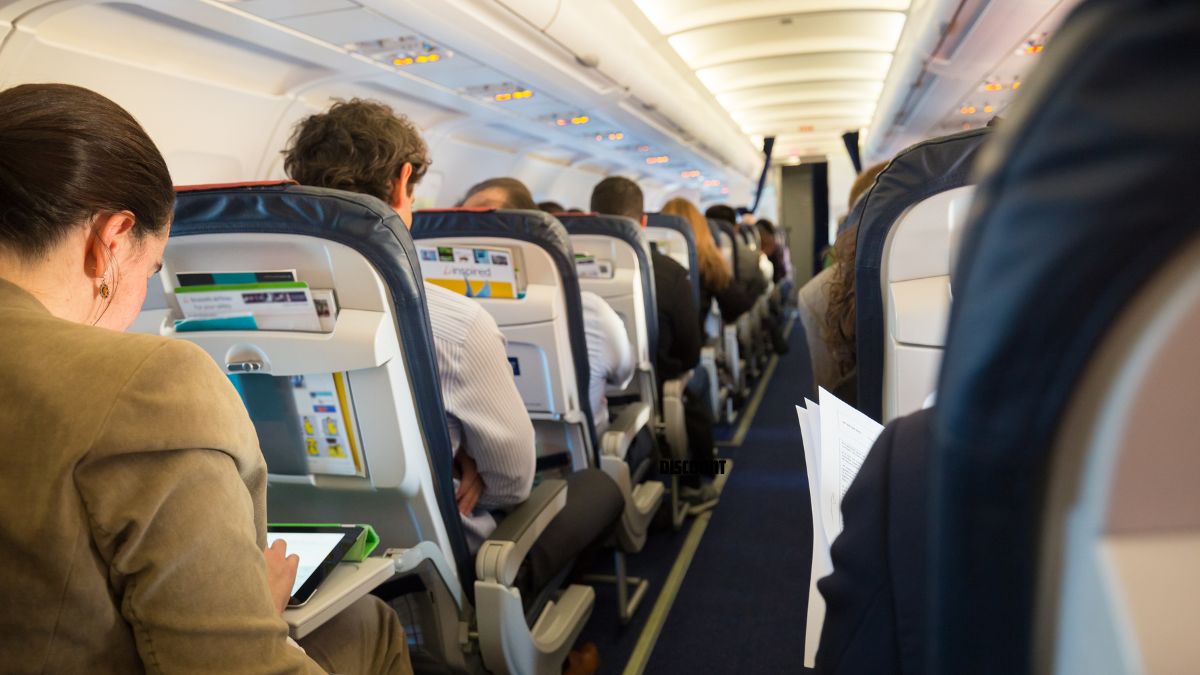
You’ve seen the line at the lounge door. A few people walk past it with a casual flash of a card or a phone screen. They aren’t flying first class. Most of them aren’t wealthy. They just know something you don’t yet: airport lounge access is not reserved for premium-cabin passengers.
Lounge access can come from a credit card, a frequent flyer status you didn’t realize you had, a ticket you already bought, or a day pass that costs less than a sit-down airport meal. In many cases, travelers pay for lounge benefits without ever using them because nobody told them how.
This guide covers 9 airport lounge access tricks most travelers don’t know about. For each, you’ll learn how it works, who it suits, what it costs, and the catches to watch for. You’ll also find a break-even formula to check whether lounge access is worth paying for, a pre-trip checklist, and answers to common questions.
A quick note on accuracy: Lounge rules change often. Credit card issuers adjust guest policies, airlines revise access rules, and lounge operators introduce capacity limits and reservation systems. The details below reflect common practices, not guarantees. Always verify current terms with your card issuer, airline, or lounge operator before you travel.
Key Takeaways
- Many travelers already own lounge access through a credit card, a bank account, or a frequent flyer program and never activate it.
- Lounge networks like Priority Pass, LoungeKey, and others give you access to hundreds of lounges, but each card gets a specific membership tier with its own rules.
- Booking a day pass in advance is usually cheaper than paying at the door, and off-peak pricing can cut the cost further.
- Airline alliance status can open business-class lounges even when you fly economy.
- Guest policies, time windows, and visit caps decide whether a lounge is a good deal. Check them before you go.
- Lounges are not always worth it. A simple break-even calculation tells you when to skip.
Why Airport Lounges Are Worth Knowing About
Before the tricks, it helps to understand what a lounge actually offers. Lounge quality varies enormously, from a quiet room with chips and a coffee machine to a full restaurant with chef-prepared meals, showers, and sleeping rooms.
Typical lounge perks include:
- Food and drinks. Snacks, buffets, soft drinks, and often beer, wine, and cocktails. Premium lounges may serve hot meals and made-to-order dishes.
- Comfortable seating. Real chairs, quieter spaces, and fewer crowds than the gate area.
- Power outlets and Wi-Fi. Often faster and more reliable than airport Wi-Fi, with outlets at nearly every seat.
- Showers and restrooms. Valuable before a red-eye or after a long-haul arrival.
- Work areas. Desks, printers, and phone booths.
- Customer service. Staff who can help rebook you during a delay or cancellation, often much faster than a gate queue.
The real value depends on how you travel. If you fly twice a year on short flights, a lounge is a nice extra. If you spend three hours at a hub on a long layover, or you’re stuck in a delay, a lounge can change the whole experience.
That’s why finding affordable access matters. Paying full price for a lounge membership rarely makes sense for casual travelers, but the tricks below can reduce the cost to little or nothing.
1. Check the Cards You Already Own (Including the Ones You Ignore)
Typical cost: $0 beyond what you already pay for the card.
This is the most overlooked trick, and it’s the first thing to check. Many travelers carry cards with lounge benefits they have never activated.
How it works
Several types of cards include some form of lounge access:
- Premium travel credit cards. Cards with higher annual fees often include access to one or more lounge networks, a card issuer’s own lounges, or both. Some provide a Priority Pass-style membership. Others give access to branded lounges run by the issuer.
- Airline co-branded cards. Certain airline cards include access to that airline’s lounges when you fly the airline, or provide a set number of one-time passes each year.
- Business cards. Business versions of travel cards often include lounge benefits similar to the personal versions. If you run a side business or freelance, you may qualify.
- Bank cards outside the United States. In many countries, banks bundle lounge access into mid-tier and upper-tier debit and credit cards. Some programs provide a fixed number of free visits per year. Check your own bank’s benefits page, since many cardholders never look.
- Network-level benefits. Certain Mastercard, Visa, and similar card tiers advertise lounge benefits in their top-tier products. These usually require enrollment or registration.
Why it goes unused
Lounge benefits often require an extra step. You may need to enroll in a lounge program, register your card, or download an app before the benefit works. If you never complete that step, you never get the membership card or digital pass.
Some travelers also don’t realize that authorized users may qualify. Depending on the issuer, adding a spouse or family member as an authorized user can give them their own lounge access, sometimes for little or no added cost. Others charge a fee for additional cardholders, so check the terms.
How to use it
- Search your card’s benefits page. Look for terms like “lounge access,” “airport lounge,” “Priority Pass,” “LoungeKey,” or “travel benefits.”
- Enroll in the program. If a lounge membership is included, follow the instructions to activate it and, if needed, download the app.
- Read the fine print on visits and guests. Some cards cap visits per year, charge for guests, or limit access to specific lounges.
- Ask each family member to check their cards. The benefit may be sitting in a wallet you’ve never opened.
- Review your bank account tier. Premium accounts at some banks include travel perks.
Watch-outs
- Visit caps. A few issuers limit the number of visits you get with a given membership. Others only provide unlimited visits after you meet a spending threshold.
- Guest fees. Access for you may be free while guests pay.
- Not every lounge is included. Network memberships cover participating lounges only. Your favorite may not be one of them.
- Annual fees. A card with lounge access can cost several hundred dollars a year. Only count lounge access as a “free” benefit if you would have kept the card anyway.
Pro tip: Before you buy any day pass or membership, spend five minutes checking every card in your household. This single step has saved many travelers from paying for something they already had.
2. Use Lounge Networks Strategically (And Don’t Overlook the Restaurants)
Typical cost: Free to a few dollars per visit with a card-based membership; standalone memberships vary.
Lounge networks like Priority Pass, LoungeKey, DragonPass, and similar programs act as a membership club that covers hundreds of lounges around the world. Most travelers know these exist. Fewer know how to use them well.
How it works
A lounge network partners with independent lounge operators, some airline lounges, and, in many airports, restaurants and dining venues. Depending on your membership tier, you either walk in free, pay a per-visit fee, or receive a credit to spend at a participating restaurant.
Network memberships usually come in tiers. Lower tiers may offer a discounted per-visit rate with no free visits. Higher tiers may include some free visits or unlimited visits. Many travelers hold a premium membership through a credit card and never check what it covers.
Why the “restaurant” benefit matters
In some airports, there is no lounge, or the lounge is crowded or closed. In those cases, some memberships include a restaurant credit at participating airport eateries. You show your membership, order a meal, and the program covers it up to a set amount.
This can be a better deal than a lounge. A real sit-down meal is often more satisfying than a buffet of packaged snacks, and you get to pick what you eat. The credit amount and the participating restaurants vary by airport and by program, so check the app.
How to use it
- Download the network’s app and sign in with your membership details. The app shows participating lounges and restaurants by airport.
- Check your terminal. A lounge in the wrong terminal can cost you a long walk or a security re-screening.
- Look at the reviews and photos. Quality varies enormously between lounges in the same network. Some are excellent. Others are a few chairs and a vending machine.
- Check the opening hours. Some independent lounges close during the night or open late, which can matter for early flights.
- Read the restaurant rules. Credits often apply to food and sometimes non-alcoholic drinks, and may be limited by time of day or spending cap.
- Use the digital pass if available. Many programs now provide a QR code in the app so you don’t need a physical card.
Watch-outs
- Capacity restrictions. Popular lounges can turn away network members during busy periods. Some require a reservation or limit stays.
- Time limits. Many networks restrict visits to a window, commonly a few hours.
- Departing-flight rules. Access is usually for departing passengers on the day of travel, not for people simply passing through the airport.
- Guest charges. Additional guests may pay per visit.
Pro tip: If your card includes network membership, spend a few minutes before each trip looking at the lounges and restaurants at your departure airport and your connection airport. Knowing your options in advance prevents last-minute disappointments.
3. Buy a Day Pass the Smart Way
Typical cost: Often in the range of $30 to $75 per person, sometimes higher at premium lounges and lower at smaller ones.
If you don’t have a card or status that grants access, you can still buy your way in with a day pass. Most travelers pay the door price. Savvy travelers don’t.
How it works
A day pass gives you entry to a lounge for a fixed period, often around three hours before departure. Several airlines, independent lounge operators, and online platforms sell day passes. Prices depend on the airport, the lounge, the time of day, and demand.
Ways to pay less
Book in advance online. Many lounges charge more at the door than online. Prebooking can save money and also guarantees a spot, which matters when capacity is limited.
Use a comparison or booking platform. Several websites and apps list lounge day passes by airport, show photos, and compare prices. Using one lets you compare rather than accepting the first option you find.
Go direct to the operator. Some lounge operators sell passes on their own sites, occasionally cheaper than third-party platforms. Check both.
Look for off-peak pricing. Some lounges charge less during quieter hours. If your flight departs mid-morning or mid-afternoon, you may pay a lower rate.
Hunt for bundles and promotions. Some operators offer multi-visit packs, discount codes, or deals tied to a membership. Airlines sometimes offer a day pass as an add-on during booking or check-in, occasionally at a reduced price.
Check your credit card for statement credits or discounts. Some cards reimburse lounge purchases or offer discounts at specific lounge operators.
Is a day pass worth it?
A day pass makes sense when:
- You have a long layover and would otherwise spend money on food, drinks, and Wi-Fi.
- You have a long delay or an overnight connection.
- You need a quiet place to work before a flight.
- You travel with a guest, and the combined price is still lower than what you’d spend in the terminal.
It makes less sense for a short, early flight where you’ll barely have time to sit down.
Watch-outs
- Refund rules. Many passes are non-refundable or non-transferable. Read the terms before you buy.
- Validity window. Some passes are valid only for a specific date or time window.
- Quality varies. A $60 lounge that’s overcrowded can be a worse experience than a quiet gate area. Read recent reviews.
- Entry conditions. Some lounges require a same-day boarding pass, and some limit passes by airline or cabin.
Pro tip: Compare the day pass price against what you would actually spend on food, drinks, and Wi-Fi at the airport. If a $45 pass replaces a $30 meal and a $10 drink, the real extra cost is small.
4. Use Airline Alliance Status to Enter Business Lounges (Even in Economy)
Typical cost: Free once you hold the right status.
This is one of the best-kept secrets in travel. The major airline alliances grant lounge access based on frequent flyer status, not the cabin you’re flying in.
How it works
The three major alliances, Star Alliance, oneworld, and SkyTeam, each have top-tier status levels that carry shared benefits across all member airlines. In general:
- Star Alliance Gold status typically provides access to Star Alliance lounges when flying with a member airline.
- oneworld Sapphire and Emerald statuses provide access to oneworld lounges. Emerald generally opens first-class lounge access on eligible itineraries.
- SkyTeam Elite Plus status provides access to SkyTeam lounges.
That means a traveler with the right status can walk into a partner airline’s business lounge while holding an economy ticket. The status can come from your home carrier or any member airline’s program.
Why most people miss it
People assume lounge access follows ticket class. In reality, alliance status often works independently of it. A traveler who holds top-tier status with one airline may be eligible at all partner airlines’ lounges worldwide, but never uses it.
Status also takes time and spending to build, so many travelers write it off. Yet there are lesser-known ways to reach it:
- Status matches and challenges. Some airlines offer to match your status from another carrier or give you a short window to earn status by flying a set amount. Terms change frequently, so check the airline’s current offers.
- Credit cards that grant status. Certain airline cards offer elite status or provide a path to earn it faster through spending.
- Business travel. If you or a colleague travel for work, concentrate flights on one alliance and make sure the miles are credited to your own account.
- Mid-tier perks. Even below the top tier, some airline programs give lounge passes as a benefit, such as a set number of passes per year.
How to use it
- Identify which alliance your frequent flyer program belongs to. Your account page will say.
- Check your current status level. Confirm what lounge access it provides.
- Read the access rules for partner lounges. Some require an international itinerary or a same-day onward flight on a member airline. The rules differ by alliance and by lounge.
- Present your boarding pass and frequent flyer card or number. Staff will check both, so ensure your status number is attached to your booking.
- Check guest rules. Some statuses include a guest; others do not.
Watch-outs
- Itinerary restrictions. Access often depends on flying with a member airline on the same day, and some lounges limit access on domestic itineraries.
- Fare class exclusions. A few lounges restrict access for the lowest fare types. Check the airline’s rules.
- Capacity limits. Busy lounges may limit access during peak periods.
- Status expires. Plan so you don’t lose your tier before the next big trip.
Pro tip: If you already have status with one airline, never assume it only works there. Open the alliance’s lounge-access page and check which partner lounges you qualify for on your next route.
5. Get Airline Lounge Access Through Co-Branded Card Passes and Membership Promotions
Typical cost: Often free with a co-branded card, or a discounted membership during promotional periods.
Many airlines run their own lounge clubs, and most sell memberships. The standard price is high, but there are several ways to get in for less.
How it works
Airline lounge clubs typically offer annual memberships at a fixed price. Some tie access to specific airlines. Others have been introducing limits on visits or tying access to airline status or card spending.
Here’s where the less obvious options appear:
Co-branded airline cards. Some airline credit cards include lounge access, either as a membership discount, a set number of one-time passes each year, or free access when flying that airline. If you’re loyal to one airline, a co-branded card can pay for itself.
One-time passes. Several cards and airline programs award one-time lounge passes as a perk. These are easy to forget. Add reminders to use them before they expire.
Membership promotions. Airlines occasionally run discounted membership offers, student or military rates, or deals for new members. Sign up during these windows rather than paying the standard rate.
Bundled benefits. Some memberships include family or guest access, which can be worth far more than the individual benefit.
Status-based entry. Elite status with the airline may include lounge access or passes, as covered in trick #4.
Is an airline lounge membership worth it?
Use the break-even formula in the section below. In general, a membership is worth considering if:
- You fly mostly with one airline and often through its hubs.
- You make several visits a year and would otherwise pay for day passes.
- Your plan includes guests or family.
- The lounge consistently has the features you value, such as showers, hot meals, or quiet workspace.
Watch-outs
- Rule changes. Airline lounge policies have tightened in recent years. Some lounges now cap access, limit time windows, or charge for guests. Don’t rely on old information from a blog post or forum.
- Crowding. Popular lounges can get crowded. A membership doesn’t guarantee a seat.
- Cabin and ticket restrictions. Some lounges limit access by fare type or route.
- Annual fee creep. Memberships and card fees can rise at renewal. Review before you re-up.
Pro tip: Before paying for an airline lounge membership, count how many times you visited an airline lounge last year. If the answer is fewer than the break-even number, a day pass or a lounge network membership will probably serve you better.
6. Take Advantage of Guest and Family Policies
Typical cost: Free to roughly the price of a day pass per guest, depending on the lounge and your access type.
Getting yourself into a lounge is one thing. Getting your travel partners in is another. The rules vary widely, and many travelers pay more than they need to.
How it works
Guest policies depend on how you got access. Here are common patterns:
- Card-based access. Some cards allow a guest or two for free. Others charge a fee per guest or limit guests to certain lounges. A few include guest access only after you meet a spending threshold.
- Network memberships. Membership tiers often differ in whether they include guests. A basic tier may allow no free guests, while a higher tier may include a certain number.
- Alliance status. Some elite statuses include one guest traveling on the same itinerary.
- Airline memberships. Some include immediate family or a set number of guests. Others charge per guest.
- Children. Many lounges allow young children to enter free with a parent, but age cutoffs and rules vary. Some lounges do not admit children at all or restrict certain areas.
How to save on guests
Know the rules before you go. Review the guest policy for each lounge on your itinerary. A difference of $30 to $50 per person adds up fast for a family.
Use more than one access method. If one card grants you access and another grants your partner access, you may each enter on your own membership with no guest fees at all. This is one of the most effective ways to save.
Add an authorized user or second cardholder. In some cases, a family member’s own card benefits cover them, eliminating guest fees.
Check child policies. If kids are free, verify the age limit and whether they count toward capacity.
Compare the cost of a day pass for guests. Occasionally a separate day pass for one person costs less than the guest fee.
Verify whether guests must fly the same flight. Some lounges require guests to travel on the same itinerary or flight. Others allow anyone with a boarding pass.
Watch-outs
- Capacity limits on guests. Some lounges restrict guests during busy periods.
- Guest fees at the door. The price can be higher than online.
- Policy changes. Guest allowances have been reduced by several issuers and airlines in recent years. A free guest benefit that existed last year may now cost money.
- Large families. Some lounges restrict group size.
Pro tip: If you’re traveling as a couple, compare “primary plus paid guest” with “two separate memberships or cards.” The second option can cost less over a year of travel.
7. Make Your Ticket Do the Work: Premium Fares, Connections, and Arrival Lounges
Typical cost: Varies. Sometimes the price difference between a standard and a premium fare is small.
Most travelers assume lounge access comes only from first- or business-class tickets. That’s true, but there are angles that make a premium ticket cheaper than it looks, and ways to extend lounge access across a whole trip.
How it works
Premium-cabin tickets include access. Business and first-class tickets on many long-haul flights typically include departure lounge access. On international itineraries, access often extends to connection lounges and, at some airports, arrival lounges.
Premium fares aren’t always as expensive as they seem. On certain routes, business class can be surprisingly close in price to a standard fare during sales, or when booking with miles. If you factor in the lounge access, a checked bag, a better seat, and meals, the added value can narrow the gap.
Use miles and points for premium cabins. Redeeming points for a premium ticket bundles lounge access into the price you pay in miles. Some travelers find that a lounge-inclusive premium cabin on a long flight is a better use of points than several economy redemptions.
Connections open more lounges. If your trip includes a connection, check whether lounges at both airports are included with your ticket or status. Some itineraries provide access at your origin, connection, and sometimes destination.
Arrival lounges. A few airlines and airports offer arrival lounges or arrival facilities for passengers on certain long-haul flights. These typically provide a shower, breakfast, and a place to freshen up before heading into the city. They are especially valuable after an overnight flight when your hotel room isn’t ready.
Partner airline lounges. If your ticket is on one airline but operated by a partner, check which lounges you’re entitled to. Access is often based on the airline you’re ticketed with and the class of service.
How to use it
- Price premium cabins on your route. Check the difference between economy and premium economy or business, then add the value of what’s included.
- Look at the ticket details. The fare conditions state whether lounge access is included.
- Check your connecting airports. Look up which lounges your ticket provides at each stop.
- Check the arrival lounge policy. If you land early in the morning, an arrival lounge can save a hotel night or a long wait.
- Keep your boarding passes handy. Staff will need them to confirm your class and flight.
Watch-outs
- Fare types vary. Some discounted premium fares do not include lounge access. Read the conditions.
- Operating airline vs. ticketing airline. Lounge rules may depend on which airline operates the flight.
- Terminal differences. Your lounge might be in a different terminal from your gate.
- Value check. A premium ticket only makes sense if the full benefit package justifies the price. Compare carefully.
Pro tip: On long trips with a layover, price the whole itinerary including lounge access at each airport. The all-in comparison can look very different from the base fares.
8. Time It Right: Reservations, Peak Hours, and Entry Rules
Typical cost: Free. This one is about strategy.
Getting lounge access on paper is not the same as getting in. Crowded lounges, time windows, and entry rules have become more important in recent years as demand has surged.
How it works
Many popular lounges now manage crowding through:
- Time windows. Entry may be allowed only within a set period before departure, often a few hours.
- Reservation systems. Some lounges allow or require reservations, particularly during peak travel periods.
- Capacity limits. If the lounge is full, you may be asked to wait or turn away.
- Stay limits. Some lounges limit how long you can stay.
- Same-day and onward-flight rules. Entry may require a boarding pass for a departing flight on the same day.
How to beat the crowds
Arrive earlier or later than the rush. Morning and late-afternoon peaks are common at many airports. If your schedule allows, a mid-morning or mid-afternoon visit may be calmer.
Reserve if possible. If the lounge or network offers reservations, use them. It removes the risk of being turned away.
Check the lounge’s real-time status. Some operators and apps show current capacity or wait times. Check before you walk across the terminal.
Know the entry window. If access opens three hours before departure, arriving four hours early may not help. Plan your arrival accordingly.
Have a backup. Identify a second lounge or a restaurant option in case your first choice is full.
Bring everything you need. Have your boarding pass, ID, and the card, app, or pass that grants access. Some lounges require the physical card, not just a screenshot.
Be polite to staff. If a lounge is full and you have a long delay or a special circumstance, asking calmly sometimes helps. Rules are rules, but a courteous request costs nothing.
Watch-outs
- Closing times. Some lounges close before the last flights of the night.
- Different rules by lounge. Even within a single network, each lounge may have its own policies.
- Last-minute changes. Renovations, closures, or temporary restrictions can change access without much notice.
- Delays. If your flight is delayed, lounge access windows may be extended, but you may need to ask.
Pro tip: Screenshot the lounge’s access rules and opening hours before you travel. If staff apply a rule differently, you’ll have the details on hand to politely check.
9. Know the Alternatives (And When a Lounge Isn’t Worth It)
Typical cost: Varies. Sometimes free, sometimes cheaper than a lounge.
The last trick is knowing when to skip the lounge. A good traveler knows that a lounge isn’t always the best way to spend time and money at the airport.
Lounge alternatives
Restaurant credits. As noted in trick #2, some memberships cover a meal at an airport restaurant. This can offer better food than a lounge buffet.
Airport sleep pods and nap rooms. Some airports offer rentable rest areas or sleep pods by the hour. For a long layover, these can be more useful than a lounge chair.
Day rooms and airport hotels. For long layovers, a day-use hotel room with a bed and shower can be a better choice, and sometimes costs about the same as a premium lounge.
Quiet airport corners. Some terminals have free quiet zones, meditation rooms, or rest areas. Check the airport’s map or website.
Spa and shower services. Some airports sell shower or spa access separately. If a shower is your main goal, this can be cheaper than a lounge.
Gate areas with charging stations. For short layovers, the gate with an outlet and a coffee may be all you need.
The break-even formula
To decide whether paying for lounge access makes sense, use this simple calculation.
Value of a lounge visit = (food and drink you’d buy anyway) + (Wi-Fi or work value) + (comfort value you put on it)
Compare that to the cost per visit.
For a membership or card, divide the annual cost by the number of visits you realistically expect:
Cost per visit = annual cost ÷ expected visits
A simple example: Suppose a lounge membership costs $400 a year and you’ll realistically visit 10 times. That’s $40 a visit. If a typical airport meal and drink would cost you $25 and the lounge offers a shower and a quiet place to work that you value at $20, the lounge breaks even or comes out ahead. If you’d visit only 4 times a year, the cost per visit jumps to $100, and a day pass or no lounge at all is the better option.
Be honest about your habits. Count how many times you actually spent more than an hour at the airport last year, not how many times you wish you had.
When to skip the lounge
- You arrive at the airport with barely enough time to board.
- The lounge is in a different terminal, and the walk or re-screening isn’t worth it.
- The lounge is known to be overcrowded or poorly reviewed.
- You’d pay a guest fee that exceeds the value you’d get.
- You’re traveling on a short flight with no delay.
What to do if you’re denied entry or the lounge is full
- Ask about a wait list or a callback. Some lounges will notify you when space opens.
- Request an alternative. Some networks offer a restaurant credit or an alternative lounge in the same airport.
- Contact your card or network provider. If you were refused entry for a reason you believe is wrong, customer service may be able to help, and in some cases may credit your account.
- Check the terms. If you bought a day pass and were denied entry, look up the refund policy.
- Keep a record. Note the time, the lounge, and who you spoke to.
Pro tip: If lounge access is a benefit you already pay for through a card, track what you actually use. If you consistently skip lounges, that’s useful information at the next card renewal.
Quick Reference: 9 Lounge Access Tricks at a Glance
| # | Trick | Typical Cost | Best For | Key Catch |
| 1 | Check cards you already own | $0 extra | Anyone with premium cards or bank accounts | Requires enrollment; guest and visit rules apply |
| 2 | Use lounge networks and restaurant credits | Free to low per-visit | Frequent travelers with network membership | Capacity limits; tier differences |
| 3 | Buy a day pass smartly | About 30–75 | Occasional travelers, long layovers | Non-refundable; quality varies |
| 4 | Use alliance status | Free with status | Frequent flyers with elite tiers | Itinerary and same-day flight rules |
| 5 | Co-brand cards and airline memberships | Card fee or membership price | Loyal to one airline | Policies tightening; crowding |
| 6 | Use guest and family policies | Free to per-guest fee | Couples and families | Guest rules vary and change |
| 7 | Premium fares, connections, arrival lounges | Varies by fare | Long-haul and multi-stop trips | Fare conditions differ |
| 8 | Reservations, timing, entry rules | Free | Anyone visiting busy lounges | Windows, caps, and closures |
| 9 | Know alternatives and break-even | Varies | Everyone | Not every lounge is worth it |
Prices are illustrative. Verify current rates and rules before you travel.
Pre-Trip Checklist: 12 Things to Check Before You Head to the Lounge
Run through this list a few days before departure.
- Which cards, memberships, or statuses do I have that grant access?
- Have I enrolled and downloaded any required app or digital pass?
- Which lounges are at my departure airport, and which terminal are they in?
- What are the entry rules? Time window, same-day boarding pass, and any fare restrictions.
- What are the opening hours, and do they match my flight time?
- Can I make a reservation? If so, have I booked one?
- What is the guest and child policy, and what will it cost?
- Are there visit limits or spending thresholds on my card or membership?
- Do I have a backup plan if the lounge is full?
- Do I have a restaurant credit option if one is included?
- Do I have my boarding pass, ID, and access card or QR code ready?
- Is the lounge worth it for this particular trip, based on my layover length and what I’d spend otherwise?
Smart Habits for Getting the Most From Lounge Access
A few habits make every visit better.
Check benefits once a year. Card and airline benefits change. Review your lounge access every year, ideally before annual fees post.
Keep your digital passes accessible. Save QR codes and membership numbers to your phone’s wallet so you can pull them up quickly. Carry a backup, such as a physical card, in case your phone dies.
Don’t rely on old information. Forum posts and blog articles go out of date quickly. Verify rules on the official source.
Combine benefits. If one card grants network access and another covers guests or lounges in different airports, using both can give you better coverage than either alone.
Use the lounge’s services. If you have a delay, ask the lounge staff about rebooking help. They can sometimes assist faster than a gate queue.
Be considerate. Lounges work best when everyone follows the rules. Keep calls short and quiet, tidy your space, and respect the time limits.
Track your visits. Keep a simple log of which lounges you used, what they offered, and whether it was worth it. Over time, this helps you decide what to renew and what to drop.
Don’t overspend to “make it worth it.” A lounge is a convenience, not an obligation. Skip the free drinks if you don’t want them. The goal is a better trip, not a bigger bill.
Frequently Asked Questions
How can I get into an airport lounge without flying business class?
There are several ways: use a credit card or bank account that includes lounge access, hold a frequent flyer status with an airline alliance, buy a day pass, join a lounge network, or purchase an airline lounge membership. The best choice depends on how often you travel and where.
Is a lounge day pass worth the money?
It can be, especially for long layovers or delays. Compare the pass price with what you’d spend on food, drinks, and Wi-Fi at the airport, and read recent reviews to make sure the lounge offers a good experience. For short airport stays, it’s often not worth it.
What is Priority Pass, and how does it work?
Priority Pass is a lounge network that gives members access to many lounges and some restaurants worldwide. Many travelers get a membership through a credit card, while others buy one directly. Benefits, guest rules, and visit limits depend on your membership tier, so check your terms.
Can I bring a guest into an airport lounge?
Often yes, but the rules vary. Some memberships include free guests, others charge a per-guest fee, and some limit guests altogether. Check the specific lounge and your access type before you go.
Are children allowed in airport lounges?
Many lounges allow children, often free when accompanying a parent, but age cutoffs and policies differ. Some lounges restrict access for kids or limit them to certain areas. Check the policy in advance.
Do I need a same-day boarding pass to enter a lounge?
Usually yes. Most lounges require proof that you’re traveling that day, such as a boarding pass for a departing flight. Rules differ, so check your lounge’s requirements.
Can I use alliance status to enter a lounge when flying economy?
In many cases, yes. Star Alliance Gold, oneworld Sapphire and Emerald, and SkyTeam Elite Plus statuses generally grant lounge access regardless of your ticket class, but there are conditions such as flying with a member airline or having an eligible itinerary. Verify the rules for your route.
What if the lounge is full?
Many lounges limit capacity during busy periods and may ask you to wait or return later. Ask about a callback or wait list, check for alternatives in the same airport, and contact your card or network provider if you were denied entry unfairly.
Are airline lounge memberships worth it?
They can be if you fly one airline frequently, visit lounges several times a year, and value the amenities. Compare the cost per visit against day passes and network memberships. For occasional travelers, they often are not worth it.
How early can I enter an airport lounge?
Many lounges allow entry a few hours before your departure, but the window varies. Some lounges have shorter windows or capacity limits. Check the lounge’s access rules before you arrive.
Do credit card lounge benefits change often?
Yes. Issuers and airlines regularly adjust guest policies, visit caps, and eligible lounges. Review your benefits regularly and check the official terms before you travel.
Final Thoughts: Lounge Access Is Easier Than You Think
Airport lounges don’t have to be a perk for people who spend thousands on premium tickets. With the right approach, they’re within reach for many travelers, often at little or no extra cost.
Here are the 9 tricks in review:
- Check the cards and accounts you already have. The benefit may be sitting unused.
- Use lounge networks strategically, including restaurant credits.
- Buy a day pass smartly, in advance and off-peak.
- Use alliance status to enter business lounges even in economy.
- Combine co-brand cards and airline memberships with promotions.
- Use guest and family policies to share the benefit.
- Make your ticket do the work with premium fares, connections, and arrival lounges.
- Time your visit and follow the entry rules.
- Know the alternatives and use the break-even formula.
The goal isn’t to visit every lounge in the world. It’s to make your airport time more comfortable and less expensive. Check what you already have, verify the current rules, and pay only when the value is clear. Do that, and the next time you walk past the long line at the lounge door, you’ll know exactly how to get in.