



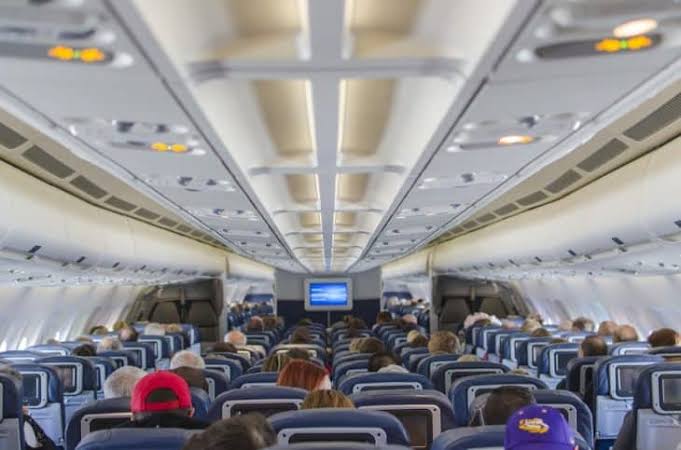
Chapped lips before landing. A scratchy throat by hour three. Skin that feels tight and parched even on a short domestic flight. If you’ve ever stepped off a plane feeling like you spent the flight in a desert, you’re not imagining it — airplane cabin air really is dramatically drier than almost any environment you’ll encounter on the ground, including actual deserts.
This isn’t a design flaw or a cost-cutting measure, despite what a lot of travel folklore suggests. It’s a direct, largely unavoidable consequence of the physics of flying at altitude. Understanding why it happens — and what airlines can and can’t do about it — makes it much easier to actually manage the discomfort instead of just enduring it.
Just How Dry Is Airplane Cabin Air, Really?
Typical indoor humidity that feels comfortable to most people sits somewhere between 30% and 60% relative humidity. Airplane cabin air, by contrast, typically sits between 10% and 20% relative humidity during cruise — and on some aircraft, particularly older models, it can dip even lower.
For comparison, the Sahara Desert averages somewhere around 25% relative humidity. In other words, the air in a typical airplane cabin at 35,000 feet is often measurably drier than the air in one of the driest deserts on Earth. This is genuinely one of the more surprising facts about air travel, and it explains a lot about why a long flight can leave you feeling so depleted even if you never leave your seat.
The Actual Physics: Why Cabin Air Is So Dry
It Starts With the Air Outside the Plane
At cruising altitude — typically 30,000 to 40,000 feet — the outside air is extremely cold, often between -40°F and -70°F, and it holds almost no moisture at all. Cold air simply cannot hold much water vapor; this is basic atmospheric physics (warmer air holds significantly more moisture than cold air, which is why humidity readings drop sharply in winter even at ground level).
Airplanes don’t carry a separate supply of “cabin air” in a tank. Instead, most aircraft draw air from outside and bring it into the cabin through the pressurization and air conditioning system, typically pulling in air that’s compressed and heated from the engines (a system called “bleed air” on most conventional jet engines) or, on some newer aircraft, drawn in through dedicated external air compressors.
Because that outside air starts essentially bone-dry due to the extreme cold and altitude, no amount of processing inside the plane adds meaningful moisture back into it by default. The air is dry going in, and it stays dry unless the aircraft actively adds humidity — which, as we’ll get into, most don’t do to any significant degree.
Cabin Pressurization Makes It Even Drier
On top of the air’s naturally low moisture content, the pressurization process itself compresses and heats the incoming air significantly before it’s cooled back down to a comfortable cabin temperature. This heating and cooling cycle doesn’t add moisture — it just processes already-dry air into a breathable, pressurized, temperature-controlled state. The dryness of the original air is essentially locked in throughout this process.
Recirculated Air Doesn’t Fix It Either
Modern aircraft don’t use 100% fresh outside air continuously — that would be extremely fuel-inefficient, since heating and pressurizing outside air requires significant energy. Instead, most aircraft mix fresh outside air with recirculated cabin air, typically in roughly a 50/50 split, filtered through HEPA filters similar in efficiency to those used in hospital operating rooms.
This recirculation is actually good for air quality and infection control — HEPA filtration removes the vast majority of airborne particles, including most bacteria and viruses. But it doesn’t add moisture back into the system either. Recirculated cabin air is still the same low-humidity air that started as dry, cold outside air; filtering it doesn’t change its moisture content.
Why Airlines Don’t Just Add More Humidity
This is the question most people ask once they understand the basic physics: if the problem is dry air, why don’t airlines just humidify it? The answer comes down to a combination of weight, cost, and — most significantly — aircraft corrosion risk.
Weight and fuel cost: Water is heavy. Carrying and dispersing enough water vapor to meaningfully raise cabin humidity across an entire aircraft cabin, especially on a long-haul flight, would add substantial weight, which directly increases fuel burn. On an aircraft where every pound of weight has a real, calculable cost impact over the life of the aircraft, this is a serious consideration, not a minor one.
Condensation and corrosion risk: This is the bigger issue. Aircraft fuselages contain a huge amount of hidden wiring, insulation, and structural metal, much of it in areas that aren’t easily inspected or dried out. If cabin humidity is raised significantly, moisture can condense on cold surfaces inside the aircraft’s structure — particularly near the fuselage skin, which is exposed to extremely cold outside air temperatures. Over time, this condensation can contribute to corrosion of structural components and can also cause issues with electrical systems and insulation, potentially leading to increased maintenance costs and safety concerns if not carefully managed.
Because of this risk, aircraft manufacturers set humidity guidelines for cabin systems, and most airlines operate well within conservative limits rather than pushing humidity higher, even though passenger comfort would clearly benefit from more moisture in the air.
What Low Humidity Actually Does to Your Body
Understanding the mechanism helps explain why the discomfort of a dry cabin is so consistent and predictable across nearly all passengers, not just those with pre-existing sensitivities.
Mucous Membranes Dry Out
Your nose, throat, and eyes rely on a thin layer of moisture to function comfortably and to help trap and filter airborne particles, including germs. In low-humidity air, that moisture evaporates faster than your body naturally replenishes it, leading to the classic symptoms: dry, scratchy throat, stuffy or irritated nasal passages, and eyes that feel gritty or tired, especially for contact lens wearers.
Skin Moisture Loss
Skin loses moisture to the surrounding air through a natural process called transepidermal water loss, which accelerates in low-humidity environments. This is why skin can feel unusually tight, dry, or flaky by the end of a long flight, even for people who don’t typically have dry skin on the ground.
Increased Perception of Dehydration
Low cabin humidity doesn’t dehydrate your body in the same direct way that, say, not drinking water does — but it does increase fluid loss through the skin and respiratory tract, on top of the mild diuretic effect of cabin pressurization on some people. Combined with the tendency to drink less water than usual during travel (especially if avoiding frequent bathroom trips on a long flight), this compounds into the general feeling of depletion many people report after long-haul travel.
Why It Feels Worse on Longer Flights
Humidity-related discomfort is cumulative. A one-hour flight rarely causes noticeable symptoms because there simply isn’t enough time for meaningful moisture loss. On flights of four hours or more, especially long-haul international flights of eight, ten, or fourteen-plus hours, the effects compound steadily, which is why dry cabin air is discussed so much more in the context of long-haul and international travel than short domestic hops.
What Airlines Actually Do About It
Given the weight and corrosion constraints on active humidification, airlines address cabin dryness through a combination of aircraft design choices, cabin management practices, and passenger-facing accommodations rather than simply raising humidity levels directly.
Newer Aircraft Are Designed for Slightly Better Humidity
Some newer wide-body aircraft — most notably models built with composite materials like carbon-fiber-reinforced fuselages rather than traditional aluminum — are less susceptible to the corrosion risks that limit humidity on older aluminum aircraft. Composite materials don’t corrode in the same way aluminum does when exposed to moisture, which has allowed manufacturers to design cabin systems on these aircraft to maintain relatively higher humidity levels, sometimes citing improvements from the roughly 10–20% range up toward the mid-teens to low-20s percent range, along with lower cabin altitude pressurization (meaning the cabin is pressurized to feel like a lower, less taxing altitude than older aircraft), both of which are frequently marketed as passenger comfort improvements on these newer aircraft types.
This is one of the more genuine, measurable improvements in passenger comfort tied directly to newer aircraft generations, rather than just marketing language — though the difference, while noticeable to some frequent travelers, still leaves cabin air considerably drier than typical ground-level comfort standards.
Cabin Crew Guidance on Hydration
Flight attendants are generally trained to encourage water consumption throughout the flight, and regular beverage service — while partly about passenger comfort and service standards generally — also plays a functional role in helping passengers offset some of the moisture loss from dry cabin air.
Limited Localized Humidification Systems
A small number of aircraft, particularly in premium cabins on some long-haul aircraft, have experimented with or implemented localized humidification systems — sometimes built into specific areas like crew rest compartments or premium cabin sections — rather than humidifying the entire aircraft, as a way to manage the weight and condensation risk trade-offs on a smaller, more controllable scale.
Cabin Altitude Improvements
Related to but distinct from humidity, some newer aircraft pressurize the cabin to a lower equivalent altitude (meaning passengers experience less of the pressure-related stress that contributes to overall fatigue and discomfort at altitude). While this doesn’t directly address humidity, it’s part of the same broader effort by aircraft manufacturers to reduce the cumulative physical toll of long-haul flying, and it’s often discussed alongside humidity improvements as part of a newer aircraft’s “passenger wellness” design features.
What Airlines Generally Don’t Do
Despite plenty of passenger requests over the years, most airlines don’t offer personal humidifiers, don’t allow passengers to bring large personal humidifying devices onboard (due to both weight/space constraints and the same condensation concerns that limit cabin-wide humidification), and don’t significantly adjust cabin humidity on a per-flight basis based on passenger complaints, since it’s a fixed aircraft system characteristic rather than something crew can meaningfully adjust in flight.
What You Can Actually Do About It
Since airlines are structurally limited in how much they can raise cabin humidity, most of the practical solutions fall to passengers. Here’s what actually helps, based on how the underlying physiology works.
Hydrate Before, Not Just During, the Flight
Starting a flight already well-hydrated matters more than trying to catch up once you’re in the air. Drinking water consistently in the 24 hours before a long flight gives your body a buffer against the moisture loss that begins as soon as you board.
Drink Water Steadily, Not Just When Thirsty
Thirst perception can lag behind actual fluid needs, especially in a low-humidity environment where moisture loss is happening gradually and passively rather than through obvious sweating. A reasonable approach on a long flight is to drink water at a steady pace throughout, rather than waiting until you feel noticeably thirsty or dry.
Limit Alcohol and Excess Caffeine
Both alcohol and caffeine have mild diuretic effects, which can compound fluid loss on top of what the dry cabin air is already doing. This doesn’t mean avoiding them entirely, but it’s worth balancing any alcohol or coffee with extra water on a long flight, particularly overnight flights where alcohol is sometimes used to help with sleep.
Use Saline Nasal Spray
A simple saline nasal spray, used periodically during a long flight, can help keep nasal passages from drying out to the point of discomfort or irritation, and may reduce the likelihood of waking up with a dry, scratchy throat.
Moisturize Skin Before and During the Flight
Applying a heavier moisturizer than usual before boarding, and reapplying during a long flight, helps offset transepidermal water loss. Lip balm is particularly useful, since lips have no oil glands of their own and dry out especially fast in low-humidity air.
Consider Lubricating Eye Drops
For contact lens wearers especially, cabin air can make lenses feel uncomfortably dry within a few hours. Lubricating eye drops (or switching to glasses for a long flight) can meaningfully reduce this discomfort. Some travelers also find that removing contacts for very long overnight flights and using glasses instead avoids the issue entirely.
Avoid Excess Salt Before Flying
Heavily salted foods can increase fluid retention imbalances and may contribute to a feeling of increased thirst and puffiness during a flight, compounding general dehydration-related discomfort. This is a minor factor compared to the cabin air itself, but it’s a small, controllable variable.
Choose Newer Aircraft When Possible
If cabin dryness is a significant concern, particularly for long-haul travel, checking which aircraft type is assigned to a specific flight (often available in the booking flow or via seat-map tools) and prioritizing newer composite-fuselage aircraft when there’s a choice can make a modest but real difference in comfort.
Does Cabin Air Also Affect Sleep Quality?
Yes, indirectly. Dry air contributes to airway and throat irritation, which can make sleep on overnight flights less restful even beyond the general discomfort of sleeping upright in an airplane seat. Some travelers find that using a light face mist, keeping a water bottle within reach, and avoiding alcohol before attempting to sleep on a long flight noticeably improves both comfort and sleep quality, on top of the general cabin dryness mitigation strategies above.
A Quick Reference: Cabin Humidity by the Numbers
| Environment | Typical Relative Humidity |
| Comfortable indoor environment | 30–60% |
| Sahara Desert (average) | ~25% |
| Older aircraft cabin (aluminum fuselage) | 10–15% |
| Newer composite-fuselage wide-body aircraft | Mid-teens to low-20s% |
| Outside air at cruising altitude (before processing) | Near 0% |
These figures are approximate and vary by specific aircraft, flight duration, and cabin conditions, but they illustrate the general pattern: even the newest, most advanced commercial aircraft cabins remain considerably drier than typical ground-level comfort standards, because the underlying physics of drawing air from extremely cold, moisture-poor high-altitude air doesn’t fully go away — it’s just managed somewhat better.
Frequently Asked Questions
Is dry cabin air actually bad for my health, or just uncomfortable? For most healthy travelers, it’s primarily a comfort issue rather than a health risk — dry skin, irritated eyes, and a scratchy throat are unpleasant but not dangerous. For people with certain respiratory conditions, very dry eyes, or sensitive skin conditions, the effects can be more pronounced, and it’s reasonable to take extra precautions (like bringing eye drops, saline spray, or a stronger moisturizer) on longer flights.
Why do I get more colds or feel sick after flying? This is often attributed to cabin air itself, but it’s more likely a combination of factors: proximity to other passengers in a confined space, touching high-contact surfaces (tray tables, armrests, overhead bins), and the fact that dry mucous membranes are somewhat less effective at filtering airborne particles than well-hydrated ones. HEPA filtration on modern aircraft actually removes the vast majority of airborne particles from recirculated air, so the air itself is generally not the primary driver of illness after flying — proximity to other people and surface contact are usually bigger factors.
Do humidifying face masks or personal humidifier devices actually work on a plane? Small personal humidifying devices exist, and some travelers use them, though their actual effectiveness in a large cabin space is limited, since they can only meaningfully humidify the air in immediate proximity to your face, not the surrounding cabin air. A well-hydrated body, saline spray, and moisturizer tend to be more reliably effective strategies.
Does the type of aircraft really make a noticeable difference? For frequent long-haul travelers, yes — many report a genuinely noticeable comfort difference on newer composite-fuselage wide-body aircraft compared to older aluminum aircraft, particularly on flights of eight or more hours. For shorter flights, the difference is less likely to be noticeable given the shorter exposure time.
Why does my throat feel worse than my skin on a flight? This varies by individual, but throat and nasal discomfort often show up faster because those mucous membranes are constantly exposed to the moving cabin air with every breath, while skin dries out more gradually and is partially protected by clothing.
Would it help if airlines just lowered the temperature to increase relative humidity? Not meaningfully, and this isn’t how airlines approach the problem. While relative humidity is temperature-dependent (cooler air can hold less moisture in absolute terms but can show a higher relative humidity percentage at the same absolute moisture content), cabin temperature is managed primarily for passenger comfort rather than humidity control, and the underlying moisture content of the air remains the limiting factor regardless of temperature adjustments.
Is business or first class cabin air any less dry than economy? Generally no — cabin humidity is typically consistent throughout the aircraft, since it’s a function of the aircraft’s overall air system rather than something that varies by cabin class. Any noticeable comfort difference in premium cabins is more likely attributable to seat comfort, cabin crew service (more frequent water offerings), and in rare cases, the localized humidification systems mentioned earlier that some airlines have implemented in specific premium sections.
The Bottom Line
Dry cabin air isn’t a corner airlines are cutting — it’s a direct, largely unavoidable consequence of drawing breathable air from an environment at 35,000 feet that holds almost no moisture to begin with, combined with real engineering constraints around aircraft weight and corrosion risk that limit how much airlines can actively humidify that air once it’s onboard. Newer composite aircraft have made real, measurable progress, but even the most advanced cabins remain considerably drier than what most people find comfortable on the ground.
Since the aircraft itself can only do so much, the most effective strategies are the ones within your control: hydrating well before and during the flight, protecting your skin, eyes, and nasal passages, and — when you have the choice — favoring newer aircraft on longer routes where the difference is most noticeable.