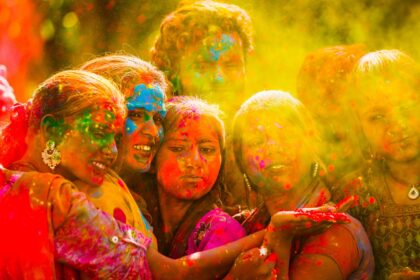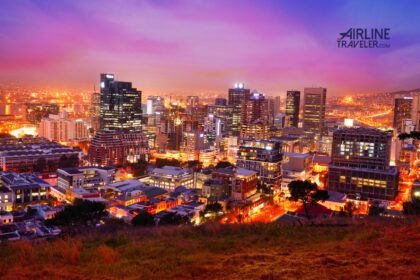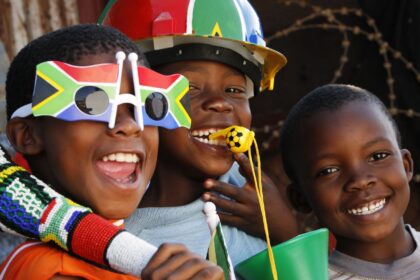


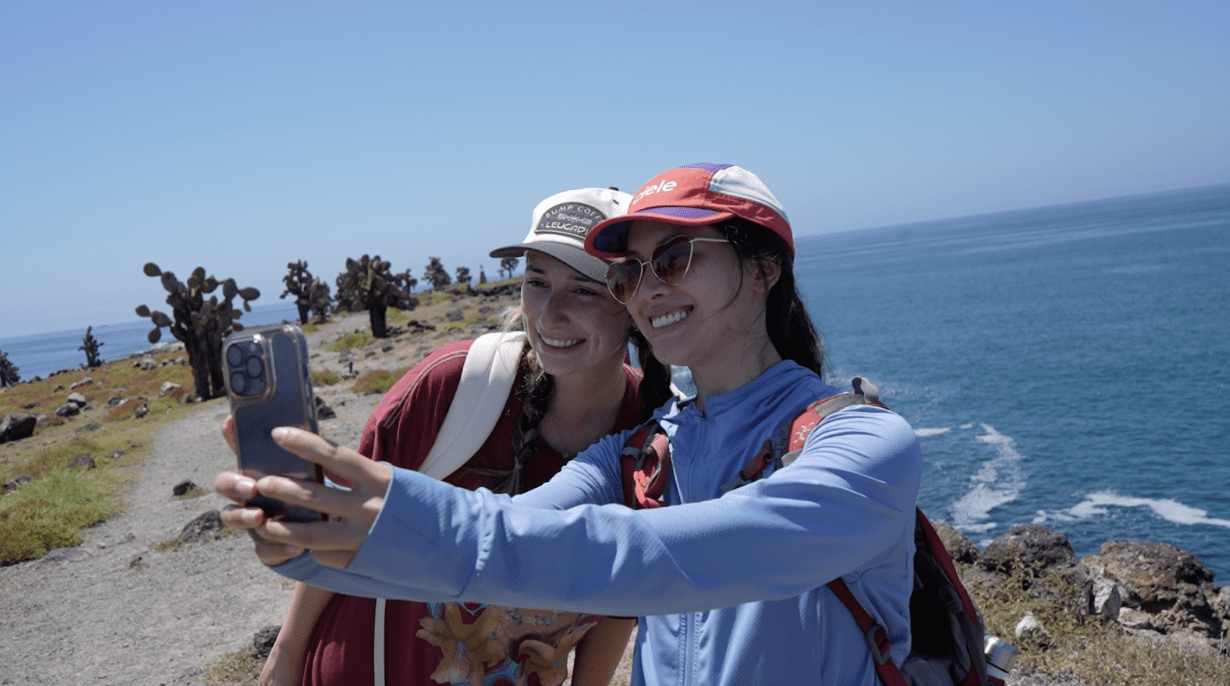
Travel photography transforms fleeting moments into lasting memories, turning ordinary vacations into visual stories that transport you back to distant places with a single glance. Whether you’re exploring ancient temples in Southeast Asia, hiking through Patagonian wilderness, wandering European cobblestone streets, or discovering hidden gems in your own backyard, the ability to capture compelling images elevates your entire travel experience.
In an age where everyone carries a camera in their pocket, the difference between a snapshot and a stunning photograph lies not in expensive equipment but in understanding fundamental principles of composition, light, storytelling, and technical execution. This comprehensive guide will transform you from a casual tourist photographer into a confident visual storyteller, equipped with the knowledge and techniques to capture breathtaking images on every journey.
Understanding Your Equipment: Camera Choices for Travelers
The eternal question facing travel photographers is what camera to bring. The best camera is the one you’ll actually carry and use consistently, making this decision highly personal based on your travel style, photography goals, and willingness to carry weight.
Smartphone Photography: Never Underestimate Your Phone
Modern smartphones have revolutionized travel photography, offering incredible image quality in remarkably compact packages. The latest iPhone, Samsung Galaxy, and Google Pixel devices produce images that rival entry-level cameras in good lighting conditions.
Advantages of smartphone photography: Always with you, instant sharing capabilities, computational photography features that enhance images automatically, lightweight, multiple lenses on newer models, and an intuitive interface requiring minimal learning curve.
Limitations: Reduced low-light performance compared to larger sensors, limited optical zoom capabilities, smaller sensors struggle with dynamic range in challenging lighting, and less manual control over settings.
Maximizing smartphone photography: Learn your phone’s manual or pro mode for control over exposure, focus, and white balance. Use HDR mode for high-contrast scenes. Clean your lens regularly—fingerprints degrade image quality significantly. Invest in moment lenses or similar attachments for wider perspectives or telephoto capabilities. Shoot in RAW format if available for maximum editing flexibility.
Mirrorless and DSLR Cameras: Serious Photography Tools
For photographers wanting maximum quality and creative control, interchangeable lens cameras offer unparalleled capabilities.
Mirrorless cameras have become the go-to choice for travel photographers, offering DSLR-quality images in lighter, more compact bodies. Popular options include Sony Alpha series (a7 III, a7C), Fujifilm X-series (X-T4, X-S10), Canon EOS R series, and Nikon Z series.
DSLR cameras remain viable options, particularly in the used market where excellent deals exist. Canon EOS Rebel/T-series and Nikon D-series cameras provide reliable performance at affordable prices.
Key considerations when choosing: Sensor size (full-frame captures more light but increases cost and weight; APS-C offers excellent quality with lighter lenses), weather sealing (essential for adventure travel), battery life (mirrorless cameras consume more power), available lenses, and overall system weight.
Lens Selection: Building Your Travel Kit
Lenses impact image quality more than camera bodies. For travel, versatility and weight matter enormously.
The versatile zoom approach: Many travelers carry one or two zoom lenses covering wide to moderate telephoto ranges. A 24-70mm f/2.8 or f/4 lens handles 80% of travel situations—wide enough for landscapes and architecture, long enough for portraits and details. Add a 70-200mm or 70-300mm for wildlife and distant subjects.
The prime lens approach: Prime lenses (fixed focal lengths) offer superior image quality, wider apertures for low light, and lighter weight. Classic travel combinations include 24mm or 35mm for environmental shots plus 50mm or 85mm for portraits. The limitation is less flexibility—you zoom with your feet.
The single superzoom approach: Superzooms like 18-200mm or 24-240mm cover vast focal ranges in one lens, minimizing lens changes and weight. Image quality and maximum aperture are compromised, but the convenience proves invaluable for fast-paced travel.
Essential specialty lenses: Wide-angle lenses (16-35mm range) excel at landscapes, architecture, and environmental portraits. Macro lenses reveal intricate details—food, flowers, textures. Telephoto lenses (200mm+) capture wildlife and compress distant scenes beautifully.
Essential Accessories for Travel Photographers
Tripod: Lightweight travel tripods enable sharp long exposures, low-light photography, and self-portraits. Carbon fiber models from brands like Manfrotto, Gitzo, or Peak Design offer stability without excessive weight. Consider alternatives like GorillaPods for flexibility.
Extra batteries and charging solutions: Nothing worse than missing shots due to dead batteries. Carry at least two spares. Solar chargers or power banks extend shooting in remote locations.
Memory cards: Bring more capacity than you think necessary. Fast cards (U3 or V30 rated minimum) ensure your camera keeps up with burst shooting and 4K video. Carry multiple smaller cards rather than one large card—if a card fails, you lose less.
Cleaning supplies: Microfiber cloths, lens cleaning solution, and rocket blowers keep your gear functioning in dusty or wet environments.
Camera strap or harness: Comfortable straps like Peak Design Slide or dual-camera harnesses distribute weight better than stock straps, enabling longer shooting days.
Protective gear: Weather covers protect against rain. Lens filters—UV or clear protective filters guard front elements, polarizing filters reduce reflections and enhance skies, neutral density filters enable long exposures in bright conditions.
Camera bag: Choose bags balancing protection, accessibility, and comfort. Options range from dedicated camera backpacks (Lowepro, Peak Design, Think Tank) to camera inserts for regular backpacks, maintaining a low profile in urban environments.
Mastering Composition: The Foundation of Great Images
Technical perfection means nothing without compelling composition. These principles transform ordinary scenes into captivating images.
Rule of Thirds: The Classic Starting Point
Imagine dividing your frame into nine equal sections with two horizontal and two vertical lines. Positioning key elements along these lines or at their intersections creates more dynamic, balanced compositions than centering everything.
Place horizons along the top or bottom third rather than dead center. Position subjects at intersection points. Most cameras display rule-of-thirds grid overlays—enable this feature and use it consciously until the principle becomes instinctive.
Leading Lines: Guiding the Viewer’s Eye
Roads, rivers, fences, shadows, architectural elements, or natural features that guide eyes through the image create depth and direct attention to your subject. Leading lines pull viewers into photographs, creating immersive experiences rather than flat observations.
Look for S-curves, diagonal lines, converging lines, and repeating patterns. Pathways through forests, train tracks disappearing into the distance, staircases, bridges, and shorelines all provide natural leading lines.
Framing: Creating Depth and Context
Using foreground elements to frame your subject adds depth, context, and visual interest. Shoot through doorways, windows, arches, tree branches, or natural openings. Framing focuses attention on the subject while providing environmental context.
This technique works particularly well in architectural photography—standing in a doorway to frame a courtyard beyond, using columns to frame buildings, or positioning yourself to capture mountains through a window.
Foreground Interest: Adding Depth to Landscapes
Including interesting foreground elements prevents flat, lifeless landscape images. Rocks, flowers, driftwood, people, or any element in the immediate foreground creates three-dimensional depth through multiple visual layers.
Get low—shooting from ground level emphasizes foreground elements dramatically. Wide-angle lenses exaggerate this effect, making foreground objects appear larger and more prominent.
Symmetry and Patterns: Satisfying Visual Balance
Human brains find symmetry aesthetically pleasing. Reflections in water, architectural symmetry, repeating patterns, and centered compositions work when symmetry is the point. Breaking symmetry strategically—placing a person walking across an otherwise symmetrical scene—adds dynamism.
Look for patterns in markets, building facades, tile work, nature, or cultural elements. Filling the frame with patterns creates abstract, compelling images.
Negative Space: The Power of Simplicity
Negative space—empty or simple areas surrounding your subject—focuses attention powerfully. A solitary figure in a vast landscape, a building against a clear sky, or a boat on an empty ocean uses negative space to emphasize the subject and evoke emotion.
Minimalist compositions require careful editing—removing distracting elements through positioning, framing, or selective focus. Simplicity often proves more challenging than cluttered compositions but yields powerful results.
Perspective and Angles: Changing Your Viewpoint
Most people photograph from eye level, standing upright—the least interesting perspective. Changing perspective dramatically alters images. Get low, shooting from ground level to emphasize foreground and create dramatic angles. Climb high for bird’s-eye views revealing patterns invisible from ground level.
Shoot straight up at the architecture. Get close for intimate perspectives. Step back for the environmental context. Moving around subjects rather than accepting the first angle you see reveals the strongest composition.
Mastering Light: The Photographer’s Essential Element
Light defines photography—literally “writing with light.” Understanding and utilizing light transforms mediocre images into masterpieces.
Golden Hour: The Magic Hours
The hour after sunrise and before sunset provides the most flattering, dramatic light. Low-angle sun creates warm, golden tones, long shadows, and three-dimensional depth. Colors saturate beautifully, and harsh contrasts soften.
Plan important shots during golden hour. Use apps like The Photographer’s Ephemeris, PhotoPills, or Sun Surveyor to predict exact sunrise and sunset times and positions for any location globally. Arrive early to scout compositions and prepare.
Blue Hour: The Ethereal Twilight
The 20-40 minutes before sunrise and after sunset offer magical blue-toned light. The sky glows deep blue while artificial lights activate—perfect for cityscapes, architecture, and twilight landscapes. This brief window requires preparation and quick work.
Use tripods during blue hour—light levels demand longer exposures. Bracket exposures to capture both sky detail and shadow information.
Harsh Midday Light: Working with Challenges
Noon light creates harsh shadows, blown-out highlights, and squinting subjects—generally unfavorable for portraits and landscapes. However, midday light works well for certain situations.
Use harsh light creatively: shoot in shaded areas with even, diffused light; photograph details and textures where strong shadows add dimension; capture bold, graphic images where contrast is the point; or photograph interiors where external light streams through windows dramatically.
Overcast Days: Nature’s Softbox
Cloudy conditions provide beautifully diffused, even light perfect for portraits, forests, waterfalls, and eliminating harsh shadows. Colors appear saturated without being washed out by the bright sun.
Embrace overcast conditions rather than lamenting the lack of sun. Overcast light flatters faces, reveals detail in foliage, and enables longer exposures for motion blur without neutral density filters.
Backlighting: Creating Drama and Atmosphere
Positioning your subject between the camera and the light source creates silhouettes, rim lighting, and atmospheric haze. Backlit subjects glow, hair catches light beautifully, and scenes gain an ethereal quality.
Expose for highlights to create silhouettes, or use fill flash/reflectors to illuminate shadow details while maintaining backlit atmosphere. Flare becomes a creative element rather than a technical flaw in backlit situations.
Direction of Light: Front, Side, and Back
Front lighting illuminates subjects evenly but creates flat, dimensionless images. It’s safe but rarely exciting.
Side lighting creates texture, depth, and drama through shadows and highlights. It’s ideal for revealing dimension in faces, landscapes, and architecture.
Backlighting creates silhouettes and dramatic effects but requires careful exposure management.
Observe light direction constantly, positioning yourself to use light most effectively for your subject and vision.
Technical Mastery: Understanding Camera Settings
Automatic modes work reasonably well in many situations, but manual control unlocks creative possibilities and ensures proper exposure in challenging conditions.
Exposure Triangle: Aperture, Shutter Speed, and ISO
These three settings control exposure—how much light reaches your sensor.
Aperture (f-stop) controls how wide the lens opening is. Lower numbers (f/1.8, f/2.8) mean wider openings, allowing more light and creating a shallow depth of field (blurred backgrounds). Higher numbers (f/11, f/16) mean smaller openings, less light, and greater depth of field (more in focus).
Use wide apertures (f/1.8-f/4) for portraits with blurred backgrounds, low-light situations, or isolating subjects. Use narrow apertures (f/8-f/16) for landscapes requiring front-to-back sharpness.
Shutter speed controls how long the sensor is exposed to light. Fast speeds (1/500s, 1/1000s) freeze motion—sports, wildlife, action. Slow speeds (1/30s, 1s, 30s) create motion blur—silky waterfalls, light trails, conveying movement.
Hand-holding limits shutter speed—the reciprocal rule suggests minimum shutter speed equals focal length (50mm lens = 1/50s minimum). Image stabilization helps, but tripods enable any shutter speed.
ISO controls sensor sensitivity. Lower ISO (100, 200) produces the cleanest images but requires more light. Higher ISO (1600, 3200, 6400+) enables shooting in low light but introduces noise/grain.
Use the lowest ISO possible for conditions. Increase ISO only when you can’t widen the aperture or slow shutter speed further without compromising the image.
Shooting Modes: When to Use What
Manual mode (M) gives complete control over all settings—ideal when lighting is consistent, or you want specific creative effects.
Aperture priority (A/Av) lets you set aperture while the camera chooses shutter speed—perfect for controlling depth of field in portraits or landscapes.
Shutter priority (S/Tv) lets you set shutter speed while the camera chooses aperture—ideal for freezing or blurring motion.
Program mode (P) automatically sets aperture and shutter speed but allows you to override other settings—a step up from full auto.
Most travel photographers primarily use aperture priority, switching to manual for long exposures or difficult lighting.
White Balance: Getting Colors Right
White balance ensures colors appear natural under different lighting conditions. Daylight, shade, cloudy, tungsten, and fluorescent settings compensate for different light color temperatures.
Auto white balance works well most of the time, but manual white balance prevents color casts in tricky lighting—mixed indoor/outdoor light, sunset/sunrise, and underwater photography. Shooting RAW allows white balance adjustment in post-processing without quality loss.
Focus Modes and Techniques
Single autofocus (AF-S/One-Shot AF) focuses once when you half-press the shutter—ideal for stationary subjects.
Continuous autofocus (AF-C/AI Servo) tracks moving subjects—essential for action, wildlife, and children.
Manual focus gives precise control—useful for macro, night photography, or when autofocus struggles (low contrast, low light, through glass).
Focus on eyes in portraits—sharp eyes make or break people’s photos. Use single-point focus rather than automatic area focus for precision. Consider focus peaking or magnification when using manual focus.
Photographing Different Travel Scenarios
Landscape Photography: Capturing Nature’s Majesty
Timing matters: Scout locations during golden hour. Research weather patterns and seasons for your destination.
Use small apertures: f/8-f/16 ensures sharpness from foreground through distant elements.
Include foreground interest: Elevates landscapes from snapshots to engaging images.
Consider filters: Polarizers enhance skies and reduce reflections. Neutral density filters enable long exposures of moving water or clouds in daylight.
Shoot in RAW: Landscapes benefit enormously from the post-processing flexibility RAW provides.
Bracket exposures: High-contrast scenes exceed the camera’s dynamic range—shooting multiple exposures at different settings allows blending in post-processing.
Street Photography: Capturing Urban Life
Be respectful: Understand local cultural attitudes toward photography. In some places, street photography is welcome; in others, it’s offensive or illegal.
Blend in: Appearing like a tourist rather than an intrusive photographer helps people ignore you. Dress appropriately, use smaller cameras, and avoid drawing attention.
Anticipate moments: Watch for interesting light, backgrounds, or situations, then wait for compelling subjects to enter the scene.
Shoot from the hip: Literally holding the camera at waist level and shooting without looking through the viewfinder can capture more natural moments.
Tell stories: Go beyond isolated interesting faces—capture context, environment, relationships, activities that communicate the essence of place.
Consider ethics and legality: Know local laws regarding photography in public spaces and people’s right to privacy. Always respect when someone indicates they don’t want to be photographed.
Portrait Photography: Capturing People and Culture
Connect with subjects: Engage people before photographing them. Smile, make eye contact, ask permission. This creates natural, relaxed expressions rather than stiff, uncomfortable poses.
Use flattering light: Soft, diffused light from shade or overcast conditions flatters faces. Avoid harsh midday sun creating unflattering shadows.
Choose appropriate apertures: f/2.8-f/5.6 blurs backgrounds while keeping faces sharp, isolating subjects from potentially distracting environments.
Focus on eyes: Always ensure eyes are critically sharp—they’re the emotional center of portraits.
Include environment: Environmental portraits showing people in the context of their lives, work, or culture tell richer stories than isolated headshots.
Respect and compensation: In some cultures, offering to send photos, making small purchases from vendors you photograph, or providing modest compensation shows respect and gratitude.
Architecture and Interiors: Photographing Built Environments
Mind your verticals: Tilting the camera upward to capture tall buildings creates converging vertical lines—buildings appear to fall backward. Step back and keep the camera level, or embrace distortion as a creative element.
Use wide-angle lenses: Capture entire structures in tight spaces or emphasize dramatic scale.
Find unique perspectives: Everyone photographs famous buildings from the same spot. Walk around, find different angles, incorporate reflections, shoot through elements, or find elevated viewpoints.
Wait for light: Architecture transforms throughout the day. Scout buildings at different times to find when light enhances rather than flattens forms.
Include people for scale: Tiny figures emphasize architectural grandeur and add life to potentially static images.
Photograph details: Doors, windows, staircases, decorative elements, and textures tell architectural stories beyond whole-building shots.
Food Photography: Making Mouths Water
Natural light near windows: Diffused side lighting from windows beautifully illuminates food. Avoid direct harsh sunlight.
Shoot from multiple angles: Overhead works for flat foods or artfully arranged plates. A 45-degree angle works for most dishes. Eye level emphasizes height and layers.
Style thoughtfully: Clear unnecessary clutter, arrange elements purposefully, use props that enhance rather than distract.
Show context: Including hands, partial place settings, or environmental elements creates atmosphere beyond isolated food shots.
Get close: Fill the frame with food, showing texture and details that evoke taste and aroma.
Wildlife and Nature Photography: Patience and Preparation
Research behavior: Understanding animal habits increases successful encounters. Learn where and when animals are most active.
Use telephoto lenses: Keeping distance respects wildlife and ensures safety. 200-400mm minimum for most wildlife.
Fast shutter speeds: Freeze motion with 1/500s or faster for birds, 1/250s for slower animals.
Continuous autofocus: Tracks moving subjects effectively.
Be patient: Wildlife photography rewards those who wait quietly rather than chasing subjects.
Respect wildlife: Never approach too closely, feed animals, or disturb natural behavior for photos. Your presence should be invisible.
Night Photography: Capturing Darkness
Bring a tripod: Essential for long exposures required in low light.
Use manual mode: Automatic modes struggle with night scenes—manual control ensures proper exposure.
Start with ISO 1600-3200: Balance between sensitivity and acceptable noise levels.
Aperture f/2.8-f/5.6: Wide apertures gather light but ensure critical elements remain sharp.
Long exposures: 15-30 seconds for cityscapes with light trails, 15-25 seconds for stars (longer creates trails), minutes for certain creative effects.
Remote shutter or timer: Eliminates camera shake from pressing the shutter button.
Shoot RAW: Night photography benefits enormously from post-processing flexibility.
Post-Processing: Bringing Your Vision to Life
Post-processing isn’t cheating—it’s completing the creative process. Digital editing mimics what film photographers did in darkrooms for decades.
Essential Editing Software
Lightroom: Industry standard for travel photographers. Comprehensive editing tools, excellent organizational features, preset capabilities, and mobile synchronization make it ideal for managing large travel image libraries.
Capture One: Professional alternative to Lightroom with superior color handling and tethering capabilities, but steeper learning curve.
Luminar AI/Neo: AI-powered editing with creative tools and a simpler interface than Lightroom.
Snapseed: Excellent free mobile editing app with surprising power and intuitive interface.
VSCO: Mobile app offering filters and community features popular with lifestyle and travel photographers.
Basic Editing Workflow
1. Import and cull: Review all images, eliminate obvious failures, and mark favorites for editing.
2. Exposure correction: Adjust overall brightness, recover highlights, and lift shadows for balanced exposure.
3. White balance: Correct color temperature for accurate or creatively enhanced colors.
4. Contrast adjustment: Add punch through contrast sliders, curves, or clarity adjustments.
5. Color enhancement: Adjust vibrance and saturation thoughtfully—oversaturated images look amateurish.
6. Sharpening: Apply appropriate sharpening for the final output medium.
7. Noise reduction: Reduce grain in high-ISO images while preserving important detail.
8. Crop and straighten: Refine composition, correct horizon, remove distractions from edges.
9. Local adjustments: Selectively dodge (lighten) and burn (darken) areas, adjust specific colors, or enhance particular regions.
10. Export: Save final images in an appropriate format, size, and quality for intended use.
Editing Philosophy: Enhancement vs. Manipulation
Where’s the line between acceptable editing and excessive manipulation? This personal decision depends on your goals and audience.
Documentary and journalistic photography demands minimal editing—correcting exposure, white balance, and basic adjustments without altering content or meaning.
Creative and artistic photography allows more freedom—compositing, significant color grading, removing unwanted elements, or creating impossible scenes.
Most travel photography falls somewhere between—enhancing reality to match what you experienced rather than creating fiction. The goal is usually to remind yourself and show others what the scene felt like, not necessarily documentary accuracy.
Whatever your approach, be honest. Excessive editing that creates unrealistic expectations or misrepresents locations serves no one and contributes to travel disillusionment when reality doesn’t match edited images.
Workflow and Organization: Managing Thousands of Images
Travel generates enormous photo libraries. Organization prevents chaos and ensures you can actually find and use your images.
During Your Trip
Backup immediately: Never rely on a single copy. Use two memory cards simultaneously if your camera supports it, or back up daily to an external hard drive, cloud storage, or both.
Cull as you go: Review and delete obvious failures daily—out of focus shots, test exposures, duplicates. This saves storage space and makes post-trip editing manageable.
Caption and geotag: Add location information and brief descriptions while memories are fresh. Most cameras and smartphones automatically geotag. Apps like PhotoPills or GPX trackers can add location data to cameras lacking GPS.
Rate favorites: Star or flag your best images during or immediately after your trip—makes editing priorities obvious later.
After Your Trip
Complete backup: Ensure all images exist in at least two locations—external drives, cloud storage, or both.
Full culling session: Ruthlessly eliminate mediocre images. Keeping everything creates overwhelming libraries and buries your best work.
Keywording: Add descriptive keywords for destinations, subjects, and activities. This enables finding specific images years later.
Collections and albums: Organize images by trip, location, or theme for easy sharing and reference.
Edit systematically: Work through trips chronologically, editing favorites first, then deciding whether others merit attention.
Share selectively: Nobody wants to see 500 images from your trip. Curate ruthlessly—show only your absolute best work.
Legal and Ethical Considerations
Photography Laws and Restrictions
Laws regarding photography vary dramatically across countries and cultures. Research restrictions before traveling.
Private property: Generally requires permission from owners. This includes interiors of many buildings, museums, religious sites, and private land.
Military and government facilities: Often restricted globally. Photographing police, military, or government buildings can be illegal or problematic in many countries.
People and privacy: Laws regarding photographing people vary. Some countries prohibit any photography of individuals without consent; others allow photography in public spaces. Always respect cultural norms, even where legal restrictions don’t exist.
Commercial use: Using images commercially (advertising, stock photography, sales) often requires model releases from recognizable people and property releases for certain buildings or branded items.
Drones: Heavily regulated in most countries. Research requirements, register drones, obtain permits, and respect no-fly zones.
Cultural Sensitivity and Respect
Legal doesn’t always mean appropriate. Consider these ethical guidelines:
Ask permission: When photographing people, especially in traditional dress, during ceremonies, or in their homes, always ask first. This shows respect and often leads to better, more natural images as people relax.
Understand “no”: Respect when people decline. Don’t photograph if someone indicates discomfort, even indirectly.
Avoid exploitation: Photography that reduces people to exotic objects or poverty tourism that exploits vulnerable populations is unethical, regardless of legality.
Sacred spaces: Many religious sites prohibit photography or have restrictions. Honor these rules even if not enforced. Your photograph isn’t worth disrespecting others’ sacred spaces.
Context and representation: Consider how your images represent people and places. Are you showing dignity and complexity, or perpetuating stereotypes?
Giving back: When communities or individuals significantly contribute to your photography, consider how you can reciprocate—sending prints, supporting local businesses, or contributing to community organizations.
Practical Tips for Better Travel Photography
Pre-Trip Preparation
Research locations: Study images of destinations beforehand to identify photo opportunities, best viewpoints, and optimal timing.
Learn local customs: Understanding cultural attitudes toward photography prevents offense and legal issues.
Check weather patterns: Seasonal weather affects photography opportunities dramatically.
Practice before leaving: Familiarize yourself with equipment and techniques before your trip, not during it.
Create shot list: Identify must-have images while allowing flexibility for spontaneous moments.
While Traveling
Wake up early: Best light and fewer crowds reward early risers. Sleeping through golden hour wastes prime photography time.
Shoot constantly: Don’t wait for perfect conditions—document the full experience, including rainy days, waiting in airports, mundane moments that provide context.
Vary your shots: Capture establishing wide shots, medium compositions, and close-up details of each location. This variety tells complete stories.
Include yourself: Don’t forget to appear in images occasionally. These personal connections enhance memories.
Shoot more than you think necessary: Better to have options than wish you’d taken more shots. Storage is cheap; missing moments is forever.
Review and adjust: Check images throughout the day, learning what works and adjusting the approach accordingly.
Balance photography and experience: Don’t live entirely through your viewfinder. Put the camera down periodically to be fully present.
Overcoming Common Challenges
Bad weather: Embrace rain, fog, storms as opportunities for dramatic, moody images rather than obstacles.
Crowds: Arrive extremely early or late, use long exposures to blur moving crowds, include crowds as part of the story, or find alternative perspectives, avoiding masses.
Harsh light: Work in shade, shoot details, capture interiors, or rest during midday and shoot during better light.
Limited time: Prioritize efficiently—research helps identify where to focus limited time.
Equipment limitations: Constraints breed creativity. Work within your equipment’s capabilities rather than using limitations as excuses.
Camera fatigue: Carrying cameras all day exhausts. Use comfortable straps, pack light, and take breaks.
Fear of looking stupid: Everyone feels self-conscious when photographing in public. Remember that most people barely notice you, and the images justify any temporary discomfort.
Inspiration and Continued Growth
Studying Great Work
Study masters—both historical and contemporary. Analyze what makes powerful images work. Follow photographers whose work inspires you across Instagram, YouTube, blogs, and photo-sharing platforms.
Books offer deeper engagement than social media scrolling. Collections from Magnum photographers, National Geographic publications, and contemporary travel photography books provide endless education and inspiration.
Shooting Challenges and Projects
Set personal challenges: photograph only with one lens for a month, create a photo essay on a specific theme, limit yourself to 36 frames for a day (mimicking film), shoot only black and white, or document a single location across different times and seasons.
Projects provide focus and push growth more than aimless shooting.
Communities and Feedback
Share work in photography communities—Reddit (r/travel, r/photographs), Flickr groups, local camera clubs, or workshops. Constructive criticism accelerates growth when approached with an open mind.
However, remember that feedback is opinion. Develop confidence in your own vision while remaining open to improvement.
Never Stop Learning
Photography evolves constantly—new techniques, technologies, and perspectives emerge continuously. Watch tutorials, take workshops, experiment fearlessly, and accept that improvement is a lifelong journey rather than a destination.
Conclusion: Your Journey Begins
Travel photography mastery isn’t about expensive equipment or exotic destinations—it’s about seeing thoughtfully, understanding light and composition, telling compelling stories, and capturing genuine moments that transport viewers to distant places and times.
Start where you are with whatever camera you have. Practice daily, even without traveling. Photograph your neighborhood with the same intentionality you’d bring to distant destinations. Study great work, experiment fearlessly, accept failures as learning opportunities, and gradually develop your unique photographic voice.
Remember that the goal isn’t impressing strangers on social media but creating meaningful visual records of your experiences—images that decades later will instantly transport you back to that market in Marrakech, that sunrise in Iceland, that moment of connection with a stranger in Tokyo, or that unexpected discovery in a place you never expected to fall in love with.
Your photographs are gifts to your future self, preserving not just what places looked like but how they felt, who you were when you experienced them, and why they mattered. This makes travel photography among the most rewarding creative pursuits possible.
The world awaits, full of infinite moments, fleeting light, and stories yearning to be told. Your camera is the tool. Your vision, curiosity, and willingness to see beyond the obvious are what will transform those moments into stunning memories that last a lifetime.
Now go capture the world, one thoughtful, beautiful image at a time.